Dream About Childhood bedroom – Meaning
Category: Places
Quick interpretation
Dreaming of your childhood bedroom often reunites you with the part of yourself formed in youth: early coping strategies, comforting habits and unresolved expectations. If the room feels cozy you may be revisiting sources of emotional safety; if it feels locked or trashed, the dream can highlight boundary issues or old shame. Look for concrete objects — a diary, poster, bed — that act like signposts: they point to a relationship, belief or wound that still shapes choices today.
What your mind may be processing
Interestingly, modern psychological framing treats the childhood bedroom as a container for attachment history and early learning. The room’s layout and objects act like cognitive cues: a closed door suggests emotional avoidance, a light left on signals ongoing vigilance. These dreams often surface during decision points — career shifts, becoming a parent, or after conflict — when the brain tests which childhood patterns still fit present needs.
Key interpretations
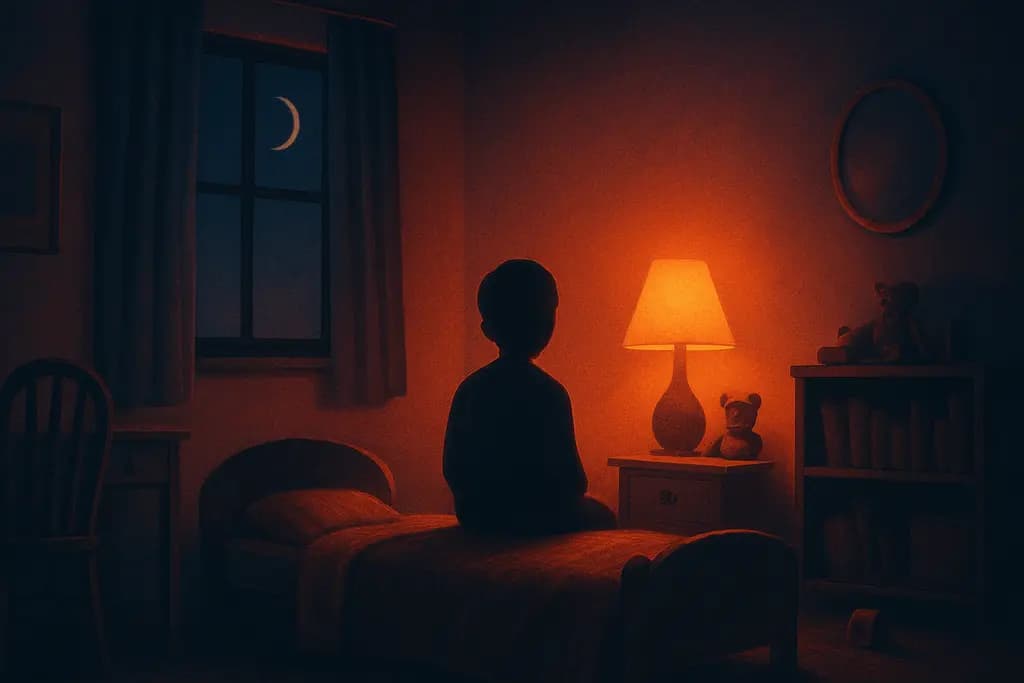
- 1. Reassessing safety and comfort. If the room feels warm, neat and inviting, the dream may suggest you’re seeking or rebuilding emotional safety now — perhaps after a breakup, a job change, or during parenthood. Familiar objects like a nightstand lamp or a worn blanket often represent coping tools you still rely on; pay attention to whether they work in the dream or fail, because that mirrors whether old habits support you in your current life.
- 2. Confronting unresolved rules or shame. If the bedroom is cluttered, locked, or contains hidden notes and broken toys, the dream frequently points to unresolved rules, criticism, or embarrassment you internalized as a child. A locked closet might signal suppressed memories; scattered schoolwork can indicate performance pressure or perfectionism. This version nudges you to notice which early expectations still limit choices and where you might need to set new boundaries.
What this dream is rarely about
This dream is rarely a literal prediction about returning to your hometown or finding a stash of childhood belongings. It does not usually forecast concrete events. Instead, it functions symbolically — highlighting emotional patterns and memories. Read it as an emotional map, not a timetable for physical actions.
Unusual details people report
People commonly notice small, specific things: a broken nightlight buzzing, a window showing a rainstorm while the rest of the house is sunny, a closet that opens into a playground, or the exact smell of crayons and chalk. Some report a sudden tingling in their hands when they pick up a childhood toy.
Why recurring versions matter
Recurring childhood-bedroom dreams deserve attention when they surface during prolonged stress, after a relationship ends, or amid a life transition. Repetition often indicates an emotional pattern that hasn’t integrated: the same closet keeps appearing because the mind wants you to open it. If the dream triggers anxiety or relief that lingers into waking life, consider journaling the objects and emotions and exploring how they echo current decisions or relationships.
Cultural and symbolic views
Meanings vary across traditions. In Western therapeutic culture the bedroom often maps to attachment and identity. Some Indigenous perspectives might emphasize relational memory — the room holds connections to family lineage — while certain Eastern traditions may read the setting as karmic residues or lessons to examine. Different folkways treat house dreams as omens, ancestral messages, or calls to reconciliation; no single cultural reading fits every dreamer.
FAQ
Is this dream a warning?
Is this dream a warning? Not usually. It more often highlights internal patterns or unresolved feelings rather than predicting danger. Treat it as a prompt to review emotions, not a literal alarm.
Is it related to stress?
Is it related to stress? Yes — these dreams commonly appear during stress, life transitions, or when past coping strategies are being tested. They often surface to evaluate what still works.
Is this about relationships?
Is this about relationships? Often. The bedroom symbolizes early attachments and family rules, so the dream can reflect how past relationship dynamics shape your current partnerships and boundaries.
Dream meanings connected to this one
Dreams about childhood bedroom are often connected to Bad Weather, Ballrooms, and black waterfalls. Looking at those nearby themes can help you compare control, fear, pressure, or change across similar dream scenes. You may also want to compare it with Cave if the same mood or conflict keeps showing up.