Dream About Chased by a shadowy silhouette – Meaning
Category: Fears & Nightmares
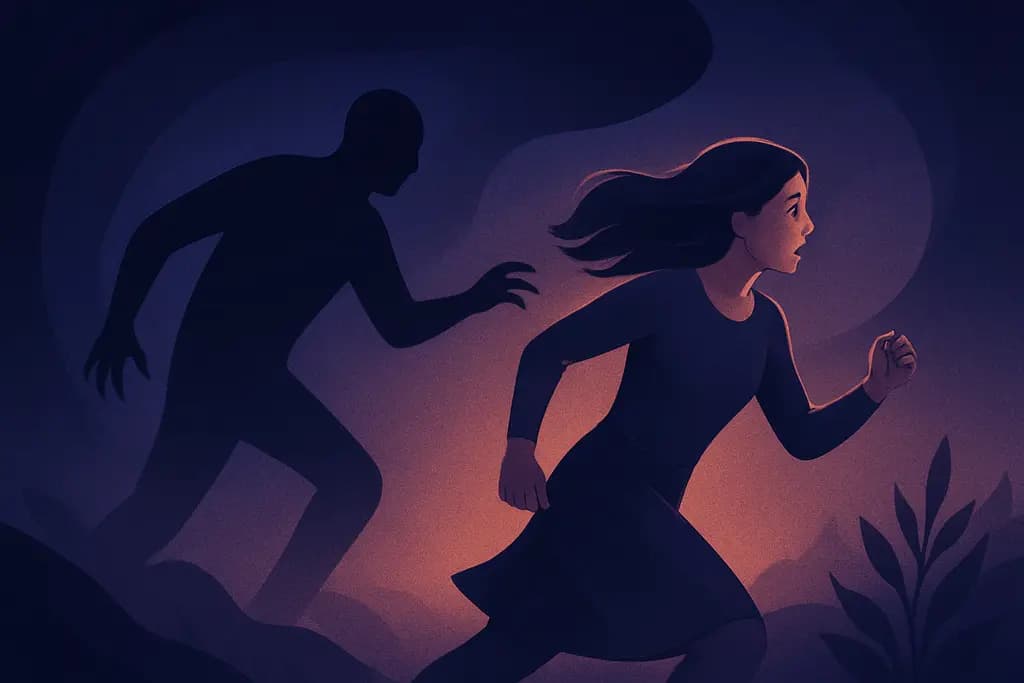
Dreaming of being chased by a shadowy silhouette often feels urgent and frightening. This symbol commonly points to something you are avoiding, an unknown pressure, or an emotion you haven't fully seen. The meaning shifts depending on how you felt during the chase and what else was happening in the dream.
General meaning of dreaming about Chased by a shadowy silhouette
At its core, a shadowy silhouette chasing you represents an intangible threat: something unclear, undefined, or hidden in your waking life that demands attention. Because the figure is shadowy, the dream highlights uncertainty, suppressed feelings, or a part of yourself you haven’t accepted. The chase element emphasizes urgency and the desire to escape rather than confront.
Typical interpretations focus on avoidance, looming responsibilities, or inner conflict. These dreams often appear during periods of stress, life transitions, or when an unresolved issue keeps resurfacing beneath the surface of daily life. How fast you run, whether you hide, and whether the silhouette gets closer all add detail to the message.
- Unresolved fears or anxiety about the future
- Parts of the self you don’t recognize or accept (shadow aspects)
- Pressure from decisions, responsibilities, or relationships
- A need to confront rather than avoid an issue
Spiritual meaning of Chased by a shadowy silhouette in dreams
Spiritually, a shadowy silhouette can symbolize a call to integrate the neglected or hidden parts of your psyche. Many traditions speak of the shadow as a necessary complement to conscious identity—facing it can lead to wholeness. In shamanic and Jungian-influenced practices, chasing shadows often signals that ignored lessons or unresolved karmic patterns are trying to be acknowledged.
In universal spiritual terms, the dream can be an invitation to soul work: examine recurring patterns, practice shadow integration, and strengthen boundaries between your energy and outside influences. The specific spiritual meaning will vary by belief system, but the common theme is transformation through conscious awareness.
Psychological interpretation
Fear, stress or anxiety
Psychologically, being chased by a shadowy silhouette often reflects generalized anxiety or a specific fear you are not facing. The vague nature of the pursuer suggests the mind is alarmed but cannot pinpoint the exact source—this creates a background of dread. Such dreams commonly coincide with heightened cortisol from stress, impending deadlines, or social pressures.
Relationships and emotional bonds
When relationships are the context, the silhouette may represent an avoided conversation, hidden feelings, or fear of abandonment. If the figure seems familiar, it might be a distorted image of someone close—an unresolved conflict or boundary issue. The chase can mean you are running from emotional intimacy or the consequences of expressing your needs.
Control, power or vulnerability
A shadowy pursuer can also symbolize issues of power and control. You may feel vulnerable, overpowered by a situation, or unsure how to assert yourself. The inability to see the pursuer clearly highlights a sense of helplessness or lack of control over an ambiguous threat.
Positive meaning
- Prompt for self-discovery: confronting the silhouette can lead to recognizing hidden strengths or insights.
- Opportunity for healing: the dream may motivate you to address suppressed emotions and seek resolution.
- Increased self-awareness: repeated dreams can help you map patterns and make healthier choices.
- Catalyst for change: fear of the unknown can push you toward necessary life adjustments or boundary-setting.
- Creative activation: the shadow can be a source of untapped creative energy once integrated.
Negative meaning and warnings
- May suggest avoidance is increasing stress rather than resolving it.
- Can indicate growing anxiety that interferes with sleep and daily function.
- May suggest an unresolved relationship issue that will escalate if not addressed.
- Can indicate feelings of vulnerability that someone might exploit if boundaries are weak.
- May suggest that a decision is being postponed until consequences become harder to manage.
Common variations of dreams about Chased by a shadowy silhouette
- Chased by an indistinct figure in a dark alley: Often reflects fears about unknown future challenges or feeling unsafe in unfamiliar environments. The alley setting amplifies vulnerability and isolation.
- Chased by a familiar silhouette you can't recognize fully: May point to discomfort with a known person or part of yourself—someone whose behavior is changing or an aspect you refuse to accept.
- Chased by multiple shadowy silhouettes: Can indicate feeling overwhelmed by several unresolved issues at once, such as work stress, relationship strain, and health worries piling up.
- Chased through an empty house by a faceless silhouette: Frequently tied to introspection—the empty home suggests inner spaces you’ve neglected, and the faceless figure represents a disowned part of your identity.
- Chased but unable to run or move: Often signals paralysis in waking life—difficulty making choices, fear of consequences, or feeling stuck in a situation where action seems impossible.
- The silhouette closing in then vanishing: May indicate that a fear is less real than it seems—confrontation or attention causes the threat to dissolve.
- Shadowy silhouette entering your home: Can suggest boundary violations or anxiety that private areas of your life are being invaded; it’s a nudge to reinforce personal limits.
What to do after such a dream
- Reflect on your emotions: note how you felt during and after the dream—panic, shame, relief—and map those feelings to waking situations.
- Journal specifics: write details (location, speed, any sounds, whether you escaped) to spot recurring patterns over time.
- Review current stressors: examine deadlines, relationships, financial or health worries that could match the dream’s tone.
- Talk it through: share the dream with a trusted friend, partner, or therapist to gain perspective and reduce isolation.
- Take small actions: address one small avoidance—make a phone call, set a boundary, or schedule a meeting—to reclaim agency.
- Use grounding practices: breathing, mindfulness, and sleep hygiene can reduce anxiety-driven nightmares and improve clarity.
Confronting the meaning of a shadowy silhouette is less about banishing fear and more about understanding what it demands. Paying attention, taking one step toward the issue, and seeking support can turn a recurring nightmare into a catalyst for change.