Dream About Caught in a storm – Meaning
Category: Paranormal & Mysteries
A common version of this dream
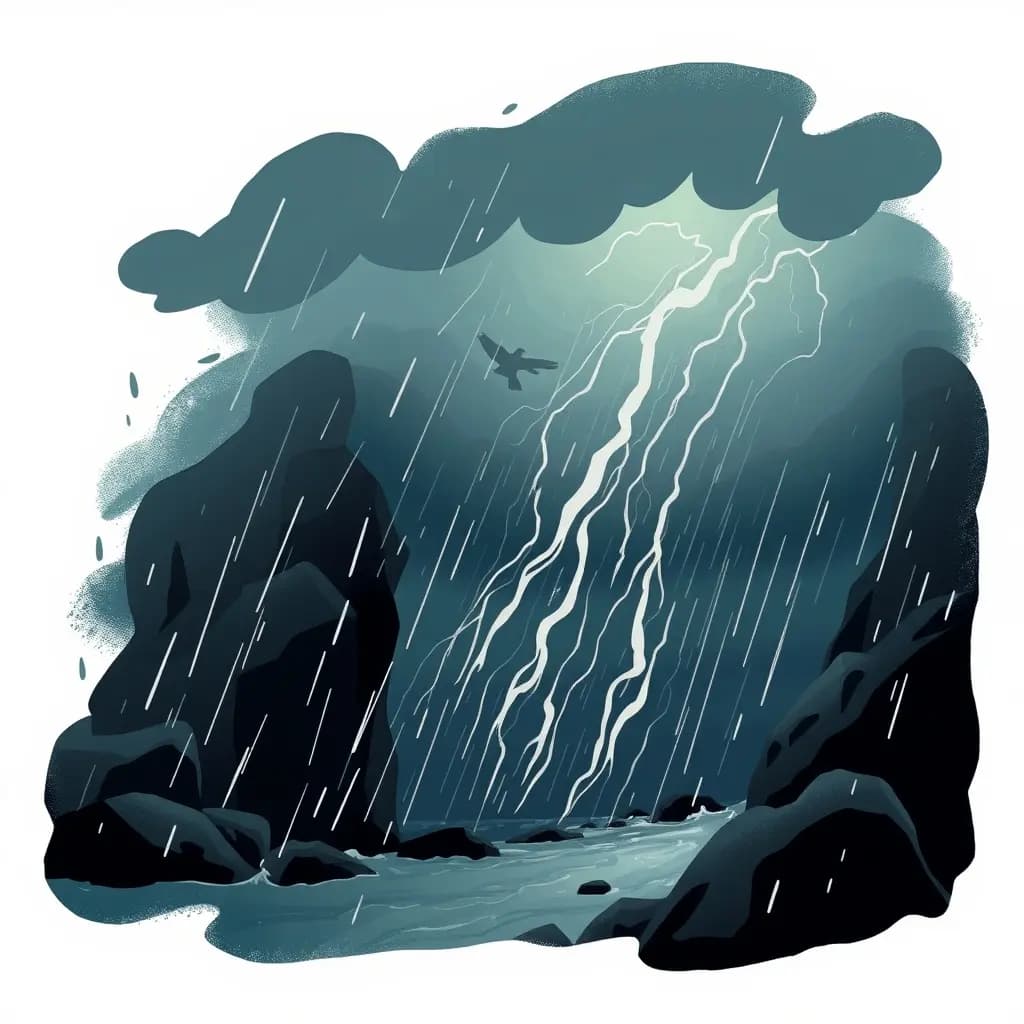
Quick answer: being caught in a storm in a dream usually points to feeling overwhelmed by forces you can’t immediately control—workload, a relationship blow-up, or sudden life change. Picture yourself standing in the doorway of a small house while wind slams branches against the windows; your coat is soaked, your shoes full of water, and you’re deciding whether to run for a car or stay put. The air tastes metallic, your chest tightens, and the storm’s noise drowns out the voices on your phone.
Concrete details that tend to stand out
Dreamers often notice a snapped umbrella, a flooded kitchen, a stuck front door, or the roar of traffic mixed with thunder. Some report their phone battery dying mid-call, the sound of glass breaking, or a sudden cold that makes their teeth chatter and heart race.
Quick interpretation
This dream most directly signals feeling overwhelmed by external pressures or sudden changes that threaten your routine or sense of safety. In many cases, the storm represents emotional intensity — anger, grief, or anxiety — and your actions in the dream (seeking shelter, pushing through the wind, calling for help) map to real-life coping choices. The dream invites you to notice whether you’re conserving energy, avoiding a problem, or rushing decisions under stress.
Three common meanings
Emotional overwhelm. When the storm feels like an internal tide—tears mixing with rain, inability to find dry clothes—the dream often reflects accumulated stress or suppressed feelings. Being soaked and shivering can mirror exhaustion from caregiving, deadlines, or ongoing worry. The scene asks whether you have places to rest and people who offer shelter.
Life transition or decision point. If the dream centers on choosing whether to leave a porch or stay inside, it commonly points to a crossroads: move jobs, end a relationship, or relocate. The storm’s timing (sudden, prolonged, or seasonal) can mirror whether the change is unexpected, long-term, or part of a cycle you’ve been resisting.
Unresolved conflict or guilt. A recurring storm that originates from a specific person’s arrival—an ex stepping into the rain or family shouting over the thunder—may suggest unresolved conflict. The noise and inability to hear indicate communication breakdowns; the water symbolizes emotions that haven’t been processed or apologies that haven’t been made.
Cleansing, release, or renewal. Sometimes the storm functions as a purifying event: trees stripped of dead leaves, mud washed away, air smelling fresh after the downpour. In these dreams the turbulence precedes clearer thinking or a renewed sense of purpose. The discomfort of the storm can signal necessary upheaval before recovery.
Psychological perspective
From a contemporary psychological viewpoint, storm dreams reflect threat appraisal and coping responses: your brain is running simulations of stressful situations to rehearse action and manage arousal. Sensations like rapid heartbeat, cold skin, or the urge to flee match real autonomic responses. The dream is a rehearsal space where unresolved worries, recent events, and decision uncertainty get played out in symbolic form rather than literal instruction.
What this dream is not literally saying
This dream is rarely a literal prediction of weather or immediate physical danger. It does not usually mean a specific event will happen exactly as in the dream. Instead, the imagery usually stands in for emotional conflict, pressure, or transition. That said, the fear can feel very real; emotionally it matters even when the content isn’t factual.
Why recurring versions matter
Recurring storm dreams deserve attention when they cluster around stressful life phases—job transitions, grief, or prolonged conflict. If the same imagery repeats or intensifies, it may point to an unresolved fear or a coping strategy that isn’t working (avoidance, rumination, or over-control). Take recurring dreams as signals to address practical stressors: set boundaries, seek support, or slow decision-making until you feel steadier.
Frequently asked questions
Why does this dream repeat?
Why does this dream repeat? Repetition often shows an unresolved issue or ongoing stress your mind hasn’t integrated. Recurring storms suggest the same problem keeps activating strong emotion; addressing the underlying situation or creating new coping strategies often reduces recurrence.
Is this about money?
Is this about money? Sometimes—financial instability can feel like a storm if it threatens daily security. But the dream more broadly signals loss of control or unpredictability; if money worries are central in waking life, they may be the storm’s source.
Why do I feel fear in this dream?
Why do I feel fear in this dream? The fear comes from perceived threat and uncertainty: your brain reacts to unpredictable forces (wind, water, noise) by triggering fight-or-flight sensations. That visceral alarm helps you rehearse responses even when the danger is symbolic.
Can this dream be positive?
Can this dream be positive? Yes. If the dream ends with calm skies, repaired windows, or cleared roads, it often signals resilience, resolution, or emotional clearing—difficult but ultimately transforming experiences.
Related dreams to explore
If this dream keeps returning, pages about Map leads nowhere, All lights go out, and Finding a secret diary can reveal the related patterns underneath it. They often overlap around insecurity, transition, or stress in everyday life. You may also want to compare it with Door won't open if the same mood or conflict keeps showing up.