Dream About Canceling wedding at altar – Meaning
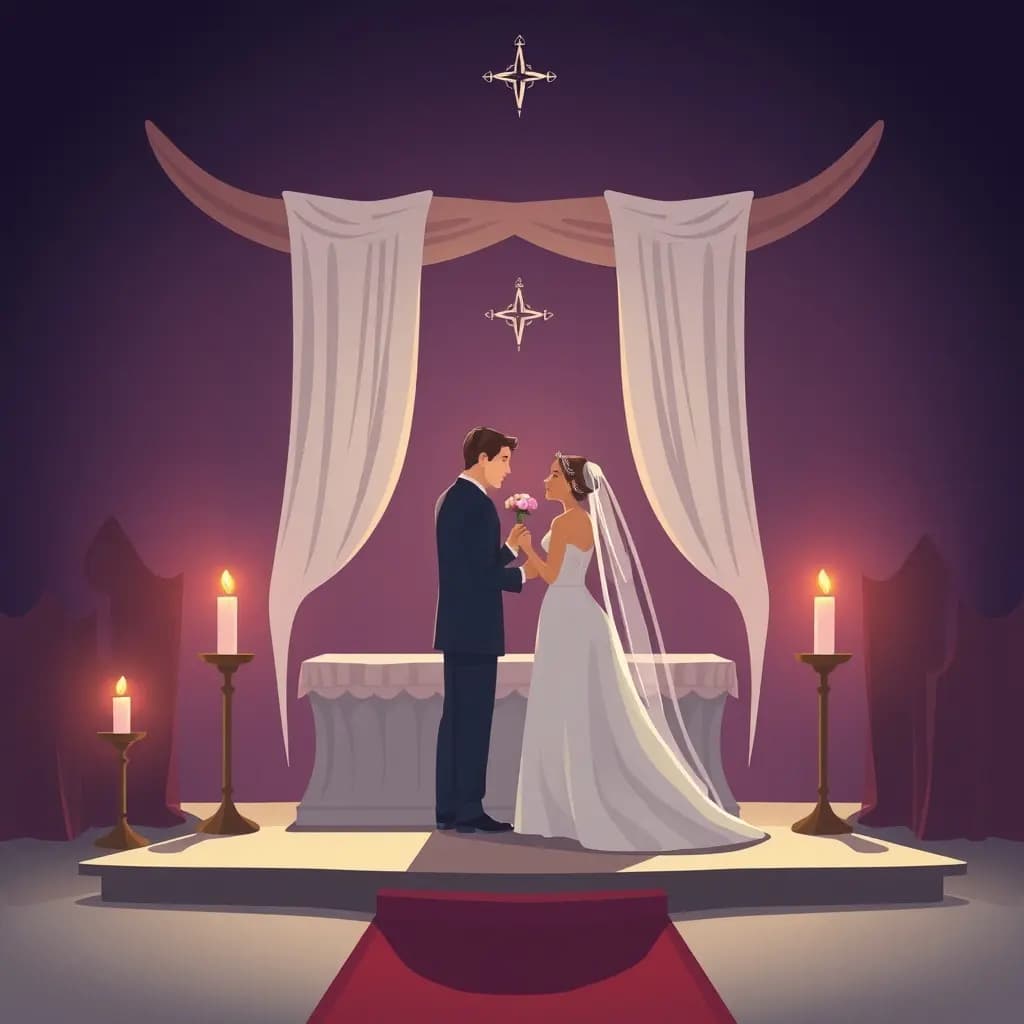
Category: Celebrations & Rituals
Quick interpretation
Quick interpretation: this dream commonly reflects inner hesitation about a major commitment rather than a literal cancellation of a future ceremony. It may suggest you’re reassessing your promises, testing boundaries, or reacting to pressure from family or timing. Panic and relief often coexist: you might fear regret while also feeling relieved at the thought of escape. In practical terms, the image points toward evaluating what obligation or identity you’re being pushed into and whether you need to slow down and clarify your choice.
What it can reflect emotionally
From a psychological angle, this dream can reflect ambivalence during life transitions: planning a move, accepting a job, or entering a long-term relationship. The ceremony acts as a clear symbol of social obligation and identity change. In real life, such dreams often surface when internal values and external expectations clash. A useful nuance: you may experience grief for the road not taken at the same moment you feel relief at avoiding a wrong match for your life.
What this dream is rarely about
This dream is rarely a literal prediction that a real wedding will be canceled. It does not usually announce a concrete future event. Instead, it uses dramatic ceremony as shorthand for commitment, identity, or social expectation. Resist reading the scene as prophecy; it more often works as an emotional metaphor about readiness and choice.
Three common meanings
Doubt About Commitment. The altar is a concentrated symbol of vows and long-term promises. Dreaming you cancel there commonly points to uncertainty about a specific commitment — not only romantic partnerships but jobs, moving plans, or new roles. The dream may surface when you feel pressured to accept a direction before you’ve weighed your true wants.
Desire for Autonomy. Walking away from the ceremony can signify a need to reclaim independence. If the dream includes others’ astonished faces or angry relatives, it often reflects tension with expectations or family pressure. This angle highlights asserting your agency and choosing authenticity over obligation.
Fear of Regret or Loss. Canceling at the altar can also focus on fear: fear of making the wrong choice, of losing parts of yourself, or of future regret. The dream might emphasize what you’d be giving up — friendships, routines, freedoms — and is commonly associated with anticipatory anxiety about irreversible decisions.
Transition and Test Runs. Sometimes the scene functions like a rehearsal: it lets you mentally try out refusing a path. In that case the dream is exploratory, helping you practice boundaries or rehearse consequences. It can be a safer space to feel the emotional fallout before you take a real-world step.
Specific details people often mention
People report vivid specifics: a church with stained-glass light, the rustle of bridesmaid dresses, a slammed door backstage, rain starting mid-ceremony, a stranger handing back a ring, or the sudden roar of a crowd. Body reactions such as trembling legs, shallow breathing, or running in high heels are common and memorable.
Why recurring versions matter
Recurring versions of this dream deserve attention because repetition points to unresolved conflict rather than a passing worry. If the scene appears during periods of high stress, pending decisions, or after a major life change, it often signals that your internal debate hasn’t been settled. Note whether the dream evolves — the same end, different emotions — because that pattern can map your movement toward resolution or deeper avoidance.
Symbolic meaning across traditions
Meanings vary across traditions: some cultures read weddings as communal contracts tied to family honor, so canceling can indicate fear of social dishonor or rebellion; other spiritual frameworks treat the altar as a rite of passage, so stepping away may suggest a stalled rite or soul-level misalignment. These are interpretive lenses, not certainties—different communities will emphasize duty, personal truth, or karmic timing in different ways.
Frequently asked questions
Why do I feel fear in this dream?
Why do I feel fear in this dream? - Fear often comes from facing irreversible choices and the imagined fallout: social judgment, loss, or regret. An altar intensifies that fear because it symbolizes final vows and public accountability.
Is this dream a warning?
Is this dream a warning? - It may function as a caution to pause and examine a commitment, but it is not a literal prophecy. Treat it as a signal to evaluate risks and motivations, not as a deterministic warning.
What should I do after this dream?
What should I do after this dream? - Take practical steps: journal what specifically felt wrong in the dream, talk with a trusted person about your doubts, and list concrete pros and cons before deciding. Use the dream to guide questions, not immediate action.
Is it related to stress?
Is it related to stress? - Yes. High stress, impending decisions, or feeling pressured by others commonly trigger this dream; stress amplifies emotion, making the ceremony more dramatic and memorable.
Related dreams to explore
If this dream keeps returning, pages about Missing your wedding dress, Festival lights go out, and Dancer drops ritual item can reveal the related patterns underneath it. They often overlap around insecurity, transition, or stress in everyday life. You may also want to compare it with Birthday gift unopened if the same mood or conflict keeps showing up.