Dream About Broken Toy – Meaning
Category: Objects
What this dream usually means
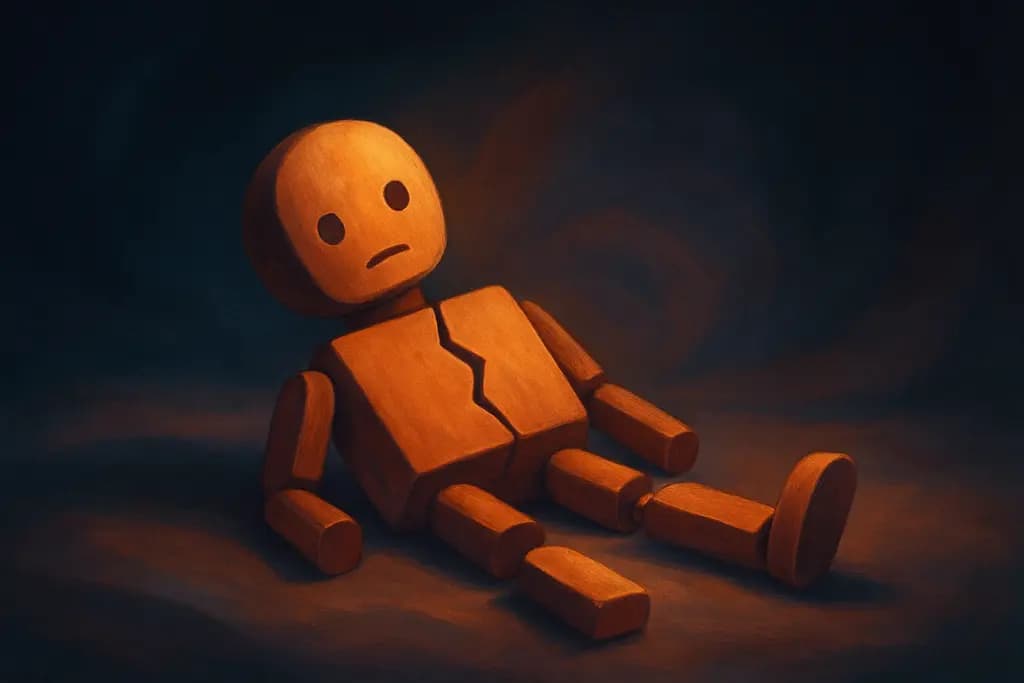
Most often, a broken toy in a dream signals that something once cherished feels damaged or unusable: a stalled project, a sense of lost playfulness, or a wounded part of your past self. It can reflect disappointment in expectations that didn’t hold up, or the realization that an old role (parent, partner, creator) no longer suits current circumstances. Your emotional tone — sorrow, anger, relief — is the clearest guide: it points to whether the dream is mourning, protesting, or quietly accepting that repair or replacement is needed.
Psychological perspective
From a modern psychological angle, the broken toy is commonly associated with attachment, developmental memory, and the way we internalize past roles. Dreams like this can surface when coping resources are taxed or when rumination makes a past disappointment feel current again. Notice cognitive patterns—repetitive self‑criticism, rehearsed apologies, or idealized memories—that keep the ‘‘broken’’ feeling active. Practical, non‑medical steps include naming the emotion, writing a short narrative of the scene, and testing a small behavioral change to see whether the feeling shifts.
What this dream usually does not mean
This dream is rarely a literal prediction about physical objects or immediate danger. It does not usually forecast that a real toy in your house will break or that a child will be harmed. Instead of taking it as a straight warning, treat it as symbolic notice about loss, limits, or changing capacity. An emotional contrast often appears: you might feel disproportionately protective in the dream while logically knowing the toy is replaceable.
How this dream can be interpreted
- A symbol of a damaged self‑role or identity. The toy can stand for a role you once played—parent, artist, student—that now feels compromised. If you dream of trying to fix the toy with tools or tape, this often suggests efforts to patch an identity under strain: working late to meet expectations, returning to an old career skill, or parenting in ways that no longer fit. The underlying message is about recalibrating who you are and deciding whether to repair, adapt, or let that role go.
- A sign of stalled creativity, plans, or attachment. A broken toy often reflects a project or relationship that has lost momentum or usefulness. A toy car with a missing wheel may point to a business plan that won’t run; a torn teddy could represent a friendship worn thin. Emotional cues tell you whether to attempt repair (reconnect, revise the plan) or to accept replacement. Practical next steps include inventorying what still works and where small repairs could restore function.
Unusual details people report
Reportable specifics include finding the toy in a dim nursery, hearing glass-like cracks or a child’s muffled laugh, rain dripping through a roof onto it, or noticing your hands stained with paint while you try to glue a limb back on. Some dreamers feel a sudden ache in the chest or a hot flush of embarrassment when strangers watch them fix it.
When this dream deserves attention
Pay attention when the broken‑toy dream repeats, arrives during a high‑stress period, or follows a life transition like a move, divorce, or new parenthood. Recurring dreams can signal unresolved fear or unfinished grief about roles and expectations. If the dream coincides with daytime impairment (loss of sleep, intrusive thoughts), it deserves practical action: name the stake, map who or what is declining, and try one concrete repair (talk, revise a timeline, set a boundary). Otherwise it may simply be a passing processing image.
How different traditions interpret it
Meanings vary across traditions. In Western therapeutic traditions, toys link to childhood and attachment loss; certain folk beliefs treat a broken toy as a sign that a soul fragment or relationship needs attention. In some Eastern perspectives, the image may be read through impermanence—an accepted stage of change—while other cultures may attach specific ritual responses. There is no single cultural truth; different communities emphasize repair, release, or cleansing depending on their symbolic systems.
Common questions
Is it related to stress?
Is it related to stress? — Often yes. A broken toy frequently appears during stress, as a symbolic shorthand for strained resources, burnout, or the emotional residue of a demanding period.
Is this about money?
Is this about money? — Not usually. While financial loss can be one specific interpretation, most broken‑toy dreams point first to emotional roles, creativity, or stalled plans rather than direct financial forecasts.
Can this dream be positive?
Can this dream be positive? — Yes. If you feel calm or resolved in the dream, it can signal acceptance, the start of a repair process, or permission to replace what no longer serves you.
Is this about relationships?
Is this about relationships? — It can be. A torn or cracked toy may reflect a relationship that feels frayed or a caregiving role that has changed; examine who the toy belonged to and your feeling toward that person for clues.
Related dreams to explore
If this dream keeps returning, pages about Broken Items, Broken Objects, and Balloons can reveal the related patterns underneath it. They often overlap around insecurity, transition, or stress in everyday life. You may also want to compare it with Bicycles if the same mood or conflict keeps showing up.