Dream About Broken heirloom object – Meaning
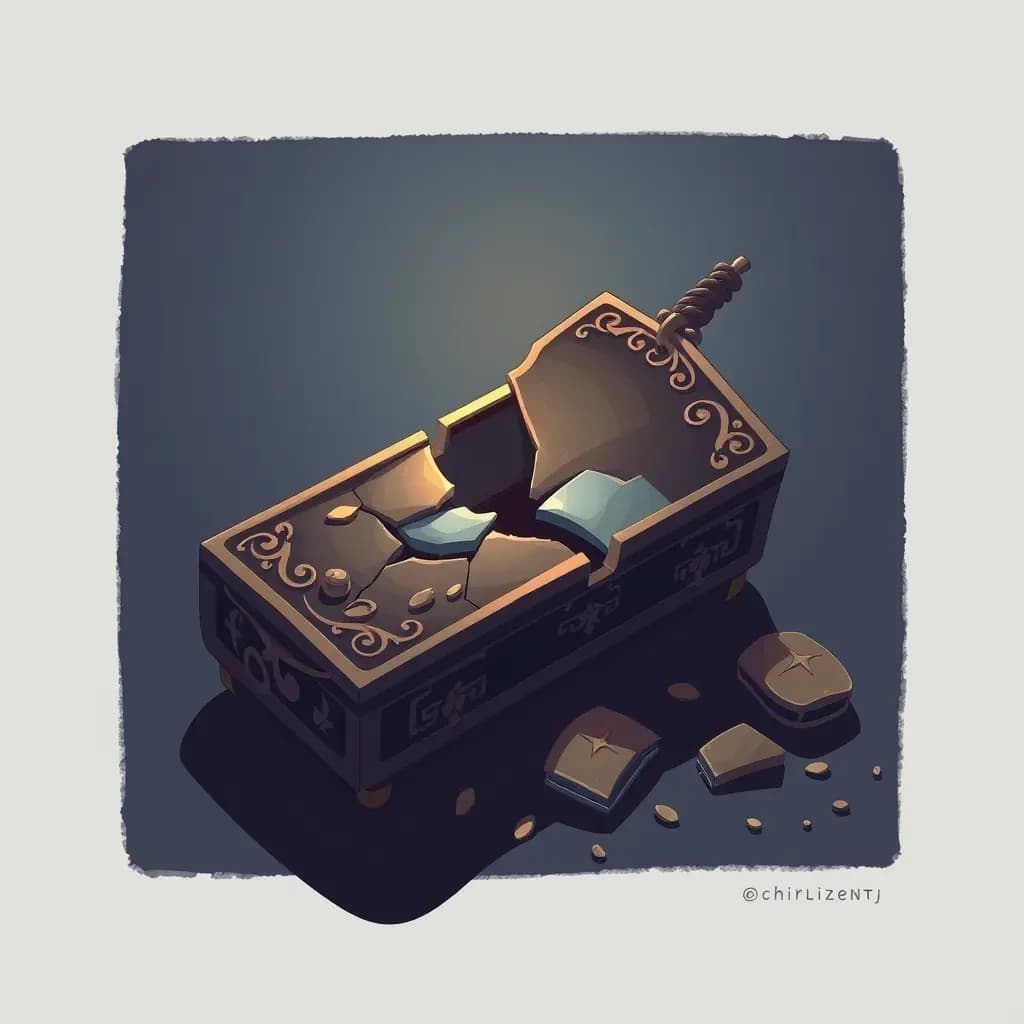
Category: Objects
Dreaming of a broken heirloom object can feel especially vivid because heirlooms carry family history and emotion. Such dreams often point to changes in family legacy, shifts in identity, or unsettled feelings about the past. The full meaning depends heavily on how you felt in the dream and the surrounding context.
General meaning of dreaming about Broken heirloom object
A broken heirloom object in a dream typically symbolizes disruption in continuity — something important from the past is damaged, overlooked, or being transformed. Because heirlooms connect us to ancestors and shared stories, their breakage often reflects a perceived break in traditions, values, or emotional ties.
Common interpretations focus on loss, transition, and the need to reassess what you inherit emotionally or culturally. The emphasis is less on material value and more on meaning: a broken heirloom can represent neglected family responsibilities, buried memories resurfacing, or the end of an old pattern.
- Loss or separation: the object may represent a broken bond or fading memory.
- Transition and change: endings that make space for new ways of being.
- Unresolved family issues: tensions, secrets, or obligations that need attention.
- Identity shifts: reassessing how family history shapes your choices.
Spiritual meaning of Broken heirloom object in dreams
Spiritually, a broken heirloom can signal a shift in ancestral energy or the need to release inherited burdens. Many traditions view heirlooms as vessels for lineage energy; when they appear damaged, it can mean that certain inherited patterns are ready to be healed or transformed.
In ancestor veneration and some folk practices, a broken family object may invite rituals of repair, letting go, or calling on supportive ancestors to guide change. Across traditions the core message is similar: breakage opens a spiritual doorway to repair, reframe, or reclaim what matters in a healthier form.
Psychological interpretation
Fear, stress or anxiety
When anxiety colors the dream, a broken heirloom may express fear of losing stability or respect within the family. It can also reflect worries about aging relatives, finances tied to inheritance, or stress about failing to protect family reputation.
Dreams in this register often highlight hypervigilance, rumination about past mistakes, or anticipatory anxiety about responsibilities you feel you cannot meet.
Relationships and emotional bonds
A broken heirloom can mirror strained or changing relationships—between parents and children, siblings, or extended family. The object stands in for emotional legacy: hurtful words, unresolved conflict, or the sense that a relationship is no longer whole.
If you felt grief or sadness in the dream, it may point to mourning a relationship as it once was. If you felt relief, it could indicate liberation from an unhealthy tie.
Control, power or vulnerability
Heirlooms often confer status or obligation. Brokenness can reveal feelings of powerlessness, loss of control, or vulnerability about your role in the family. Conversely, it might signal a deliberate act of breaking free from expectations you find stifling.
Pay attention to whether the break felt accidental or intentional in the dream—that distinction often reflects whether you feel victimized or empowered by the change.
Positive meaning
- Opportunity for renewal: breaking can clear a path for healthier traditions.
- Emotional healing: acknowledging damage is the first step toward repair.
- Reclaiming legacy: you may choose which parts of family history to carry forward.
- Personal growth: letting go of inherited burdens can create space for new identity.
- Creative transformation: damaged objects invite creative restoration, symbolizing resilience.
Negative meaning and warnings
- May suggest unresolved grief or denial about family loss.
- Can indicate that important relationships are strained and need attention.
- May point to a fear of losing status, inheritance, or family approval.
- Can indicate suppressed resentment or long-standing patterns that harm well-being.
- Might warn that avoiding conversations about family issues could lead to greater disruption.
Common variations of dreams about Broken heirloom object
- Broken family portrait or frame — Often represents fractured family narratives or a desire to reassess how the family story is told. You may be questioning whose version of events holds weight.
- Cracked locket or keepsake necklace — Suggests emotional secrets or intimacy that feel damaged; could reflect a lost connection to a partner or ancestor.
- Ruined antique watch or clock — Points to concerns about time, missed opportunities, or anxiety that family expectations are out of sync with your life stage.
- Damaged wedding ring passed down — May indicate doubts about inherited commitments, marriage expectations, or pressure to follow a predetermined path.
- Broken wooden chest or jewelry box — Symbolizes hidden family treasures or memories that have been neglected or exposed; may invite reclaiming privacy or mending trust.
- Shattered mirror heirloom — Combines themes of self-image and legacy; you might be re-evaluating how family influences your sense of self.
- Crack in an ancestral instrument or tool — Suggests practical or vocational inheritances are changing; skills or trades passed down may no longer fit your life.
What to do after such a dream
- Reflect on emotions: journal the feelings you had in the dream and any family memories it triggered.
- Look at current life context: note recent changes, conflicts, or decisions tied to family or legacy.
- Talk with someone you trust: a family member or close friend can offer perspective; approach conversations with curiosity rather than blame.
- Consider symbolic repair: an act of mending, a small ritual, or creating a new keepsake can help process transition.
- Set boundaries and priorities: decide which inherited expectations you want to keep and which you can release.
- If the dream recurs and causes distress, consider professional emotional support to explore deeper patterns (this is not medical advice).