Dream About Being Trapped – Meaning
Category: Fears & Nightmares
Main interpretation
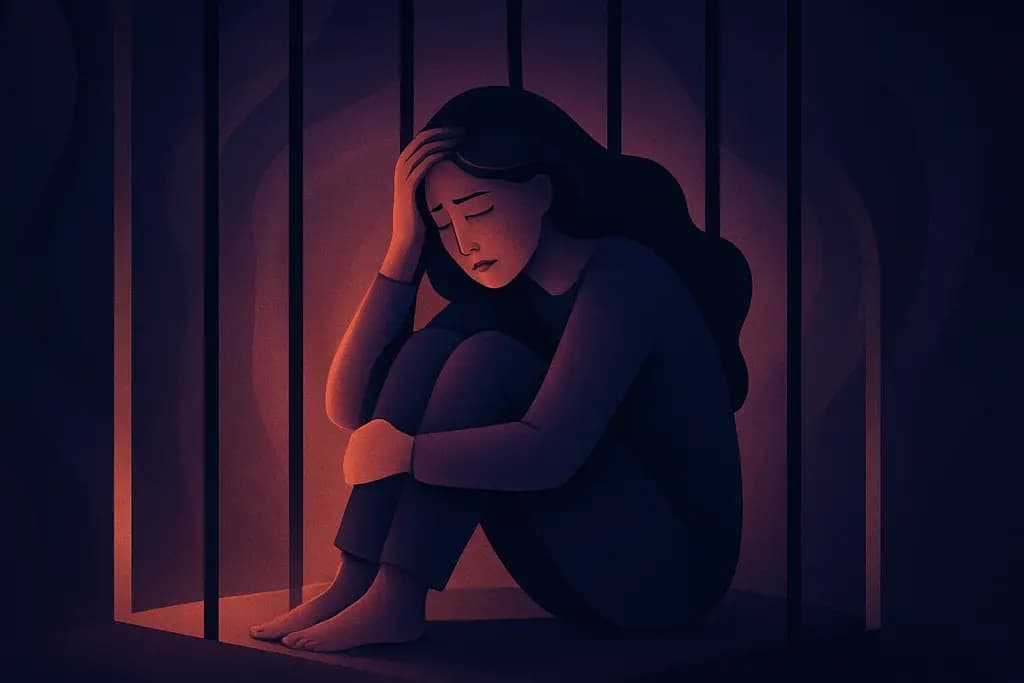
Most often, dreaming of being trapped is your mind signaling a real feeling of restriction: you may be tied to a job you can’t leave, boxed into family obligations, or frozen over a major decision. The dream highlights emotions like panic, frustration, and helplessness and points to a life situation where options seem limited. It encourages noticing what locks you in and which small choices might free you.
What your mind may be processing
From a modern, non-medical viewpoint, being trapped in a dream is your brain rehearsing responses to constraint and threat. It can reflect decision overload, chronic obligations, or learned patterns of passivity after repeated setbacks. In real life, repeated small frustrations—missed promotions, caregiving burnout, or stalled plans—build into a symbolic scenario that lets you feel the emotion and consider solutions.
What this dream is rarely about
This dream is rarely a literal warning that you will become physically trapped. It does not usually work as a literal prediction of an upcoming event. Instead, it’s symbolic: the fear it stirs tends to point inward, not to a future accident. There’s an emotional contrast here — intense alarm in the dream, but usually no immediate physical danger in waking life.
How this dream can be interpreted
- Stuck in obligations. The dream can represent concrete external constraints: a long commute, an inflexible boss, caregiving duties or financial commitments. Emotions such as resentment, fatigue, or duty show up as blocked doors or locked rooms. Looking at schedules and contracts may reveal practical adjustments to ease the pressure.
- Emotionally suppressed. Being trapped can point to withheld feelings: anger you haven’t voiced, grief you haven’t processed, or desires you’re ignoring. The closed space symbolizes bottled emotion; the dream urges you to name and express one specific feeling — with a friend, a journal, or a therapist — so it stops feeling suffocating.
- Fear of change or decision paralysis. Sometimes the scene reflects indecision: a stalled move, an unanswered resignation, or a relationship crossroads. The dream exaggerates the consequence of any change, making all exits look dangerous. Breaking tasks into tiny, time-boxed steps often reduces the sense of being trapped and restores momentum.
- Boundaries and control. This dream can highlight boundary issues: people overstepping, unclear limits, or losing autonomy. Locked doors may represent others’ demands or your own difficulty saying no. Practical boundary-setting—declining one request, delegating a task, or renegotiating a role—can shift the dream’s imagery over time.
Unusual details people report
People report specific details: a single narrow window, rain drumming on a tin roof, the smell of gasoline in a locked car, a crowd pushing outside a door, or the sensation of numb legs that won’t move. Sometimes a locket, a child’s toy, or a pair of wet shoes anchors the scene.
When this dream deserves attention
Pay attention when the dream recurs, intensifies, or appears during big life transitions like divorce, career change, or a move. It also matters when the dream mirrors waking stress that impacts sleep, appetite, or concentration. Recurring trapped dreams often signal unresolved fear or unaddressed obligations that benefit from practical planning, boundary conversations, or focused stress reduction.
How different traditions interpret it
Meanings vary across traditions. Jungian and Western symbolic readings treat the trap as an inner archetype of the shadow; some Indigenous perspectives emphasize relational imbalance or community obligations; Eastern traditions might see it as attachment and suggest letting go through mindful practice. No single cultural reading is definitive; different traditions offer different lenses worth considering.
Frequently asked questions
Can this dream be positive?
Yes. The dream can be positive when it motivates action: recognizing limits, prompting a tough conversation, or inspiring a small change that leads to increased freedom.
Is this about relationships?
Sometimes. If the imagery involves being held by another person, silenced, or unable to leave a relationship setting, then relationship dynamics are likely part of the message.
What should I do after this dream?
Start with a short list: name one constraint, list one practical step to address it, and schedule a time to act. If emotions feel big, journal or talk to someone first.
Is it related to stress?
Often. Stress—ongoing deadlines, caregiving, financial strain—commonly triggers trapped dreams. Reducing acute stress or addressing chronic obligations tends to reduce their frequency.
Related dream meanings
Dreams about being trapped are often connected to Being Chased, Being Followed, and Being Late. Looking at those nearby themes can help you compare control, fear, pressure, or change across similar dream scenes. You may also want to compare it with Abandonment if the same mood or conflict keeps showing up.