Dream About Being in debt – Meaning
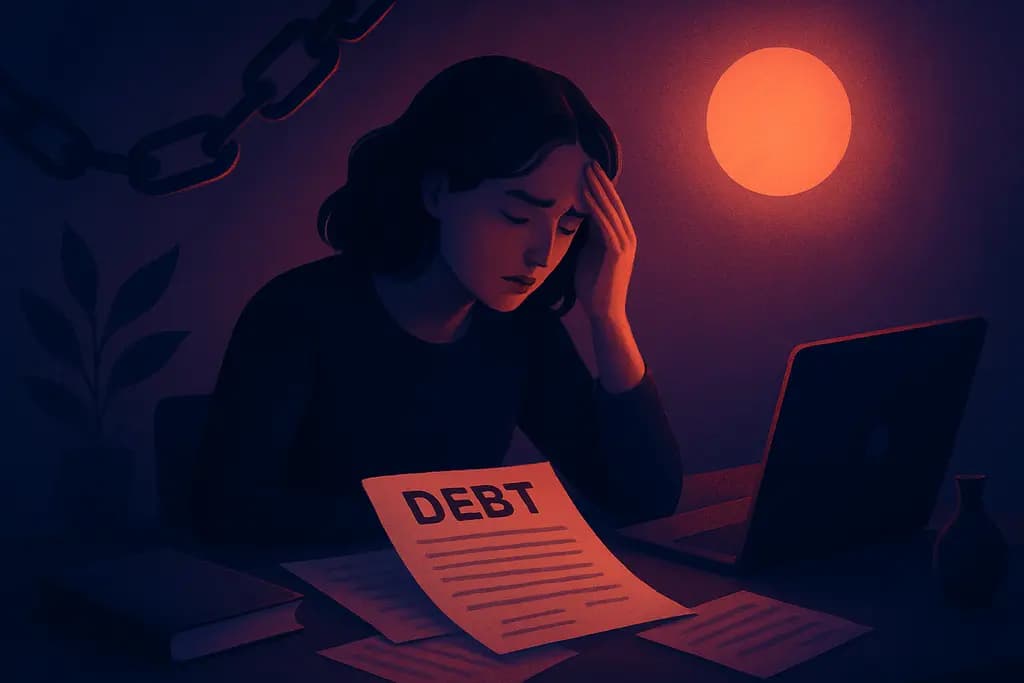
Category: Work & Money
Dreaming about being in debt often points to feelings of obligation, imbalance or worry related to money, work or personal commitments. The exact meaning depends heavily on how you felt in the dream and the context — whether you were ashamed, desperate, calm or relieved. Emotions and details (who is owed money, the amount, whether you can pay) shape the interpretation.
General meaning of dreaming about Being in debt
At its core, a debt dream symbolizes perceived lack: lack of resources, time, freedom, or emotional reciprocity. In the Work & Money context it commonly reflects financial anxiety, professional pressure, or the sense that you owe others (or yourself) something important. These dreams frequently surface when responsibilities pile up or when you feel behind in career or personal goals.
Typical interpretations include a mix of practical and symbolic ideas:
- Financial worry: direct anxieties about bills, loans, or job stability.
- Moral or social obligation: feeling beholden to someone or something in your life.
- Psychological burden: unresolved guilt, shame, or fear of failure.
- Imbalance: a sense that give-and-take in relationships or work is uneven.
Spiritual meaning of Being in debt in dreams
Spiritually, debt in a dream can represent energetic imbalance — you may feel that your life is out of equilibrium because you are overextending yourself or not receiving what you need. In many traditions, debt imagery points to karma or the idea of lessons to be completed: obligations that invite learning and growth rather than punishment.
Across cultures, being in debt can also be read as a call to restore balance: repay favors, forgive debts, or re-align priorities so that your energy flows more freely. The dream may encourage conscious reconciliation and ethical clarity.
Psychological interpretation
Fear, stress or anxiety
Dreams of debt often mirror chronic stress about money or performance. If you woke feeling panicked, it likely reflects anxiety about meeting expectations — deadlines, quotas, or obligations. The magnitude of the debt in the dream can exaggerate how overwhelming you perceive a real-life problem to be.
Relationships and emotional bonds
Owing money in a dream can symbolize emotional indebtedness: feeling you must repay kindness, meet family expectations, or conform to a partner’s needs. Shame or relief in the dream can reveal whether you feel supported or exploited in your close relationships.
Control, power or vulnerability
Debt imagery can expose power dynamics. Being indebted may leave you feeling vulnerable or at the mercy of another person or institution. Conversely, a dream where debt is forgiven or paid off can indicate reclaiming agency and rebuilding self-trust.
Positive meaning
- Wake-up call: may motivate practical change like budgeting, negotiating at work, or seeking resources.
- Growth through responsibility: prompts taking ownership of mistakes or commitments and learning from them.
- Rebalancing priorities: encourages cutting excess obligations and focusing on what truly matters.
- Forgiveness and release: dreams of debt forgiveness can signal emotional healing or the end of guilt.
- Opportunity to strengthen relationships: addressing perceived owing can deepen honesty and trust.
Negative meaning and warnings
- May suggest unresolved financial problems that need attention and planning.
- Can indicate chronic stress or burnout tied to work or caregiving roles.
- May suggest unhealthy dependency on others or feeling exploited in a relationship or job.
- Can indicate avoidance: ignoring small issues now could grow into larger crises later.
Common variations of dreams about Being in debt
- Owing credit card debt: often reflects day-to-day financial anxieties and impulsive spending or guilt about consumption.
- Being chased by debt collectors: may indicate pressure from deadlines or fear of consequences if you don’t meet obligations.
- Owing money to family or friends: highlights emotional obligations, guilt, or fear of disappointing loved ones.
- Unable to pay bills: mirrors practical worries about stability and basic security; often tied to career insecurity.
- Student loan or education debt: connects to regret about past choices, pressure to succeed, or ambition vs. cost.
- Debt being forgiven: suggests relief, reconciliation, or an inner release from guilt and self-blame.
- Increasing or runaway debt: signals escalating stress or a problem you’re avoiding that requires immediate action.
What to do after such a dream
- Reflect on the feelings you experienced in the dream: shame, fear, relief, or resignation give strong clues about the root issue.
- Audit your current life situation: check finances, workload, and responsibilities; identify one small practical step to reduce pressure.
- Talk it through: discuss concerns with a trusted friend, partner, or mentor to gain perspective and support.
- Set boundaries: if the dream points to emotional or practical overcommitment, practice saying no and reprioritizing tasks.
- Make a plan, not a panic: turn insight from the dream into manageable actions — budgeting, renegotiating terms, or scheduling downtime.
Remember, dreams are symbolic messengers, not literal predictions. Use them as guides to look inward and adjust your external circumstances with compassion and clarity.