Dream About Being disowned – Meaning
Category: Relationships
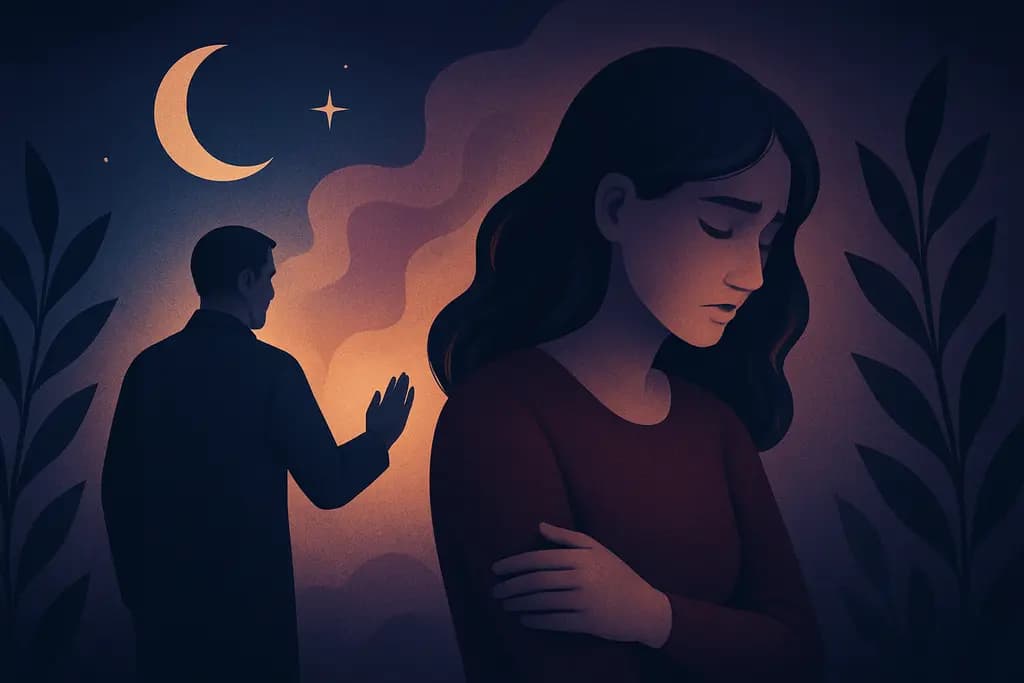
Dreaming about being disowned can feel deeply unsettling, whether the scene involves parents, a partner, or a wider community. These dreams often point to concerns about belonging, identity, and emotional safety — but the precise meaning depends a great deal on how you felt in the dream and the surrounding context.
General meaning of dreaming about Being disowned
At its core, a dream about being disowned symbolizes separation from people, roles, or values that once defined you. It often reflects fears of rejection or the sense that a part of your life—or a relationship—no longer accepts who you are. For many people this dream taps into the basic human need for belonging and the anxiety that comes when that need feels threatened.
Typical interpretations emphasize a mix of loss and transformation. On one hand, the dream can mirror real interpersonal conflict or worry about abandonment. On the other, it can indicate an internal decision to step away from expectations, family roles, or limiting dynamics.
Key meanings often include:
- Fear of rejection or social isolation
- Loss of identity tied to a relationship or role
- Awakening to new personal boundaries or independence
- Conflict over values, loyalty, or life choices
Spiritual meaning of Being disowned in dreams
Spiritually, being disowned in a dream can be seen as a symbolic separation from an old identity, ancestral pattern, or collective expectation. Many traditions view such dreams as invitations to examine which inherited beliefs or loyalties no longer serve your growth.
Across spiritual practices this theme can represent a form of initiation: a shedding of the familiar so something truer to your path can emerge. In ancestral or karmic frameworks it may signal the need to reconcile family patterns, forgive, or release burdens passed down through generations.
Psychological interpretation
Fear, stress or anxiety
Psychologically, these dreams often surface when you are under stress or wrestling with anxiety about acceptance. If you feel powerless in waking life—at work, in family dynamics, or socially—your subconscious may use the image of being disowned to dramatize that insecurity. The intensity of the dream usually mirrors the level of fear or uncertainty you’re experiencing.
Relationships and emotional bonds
Dreams of disownment frequently relate directly to relationship issues. They can highlight unresolved conflict, perceived betrayal, or the slow erosion of emotional closeness. Whether the dream involves parents, partners, or close friends, it points to questions about trust, loyalty, and whether your needs are being recognized.
Control, power or vulnerability
Being disowned in a dream can also reflect power imbalances and vulnerability. You may be negotiating control—feeling controlled, stepping away from control, or reclaiming your autonomy. The dream can reveal where you feel disempowered and where you might need to assert boundaries or seek support.
Positive meaning
Many dreams about being disowned carry potential for constructive change. Possible positive interpretations include:
- Opportunity for personal growth and stronger self-definition
- Liberation from expectations or roles that felt restrictive
- Clearer boundaries and healthier relationship choices
- A prompt to build new communities that better reflect who you are
- Healing from old wounds as you consciously re-evaluate loyalties
Negative meaning and warnings
This dream may also contain cautionary notes. It can suggest or indicate:
- Real or looming relationship breakdowns if issues go unaddressed
- Deep feelings of shame, unworthiness, or unresolved family conflict
- Emotional isolation that can worsen if you withdraw rather than communicate
- A tendency to interpret disagreement as total abandonment, escalating fear
Approach these warnings gently: the dream points to areas needing attention rather than fixed outcomes.
Common variations of dreams about Being disowned
- Being disowned by parents — Often highlights early attachment wounds, old family expectations, or a struggle to claim an independent identity.
- Being disowned by a romantic partner — May reflect fears of abandonment, a breakup, or doubts about compatibility and mutual support.
- Being publicly disowned or shamed — Suggests anxiety about reputation, social standing, or fear that a private conflict will become exposed.
- Trying to reconcile but being rejected — Points to attempts at repair that aren’t working, and may urge you to accept limits on what others are willing to change.
- Being disowned as an adult after a life choice (job, belief, relationship) — Can indicate the cost of aligning with your values and the transition pains of major life shifts.
- Dream of forgiving after being disowned — Implies healing, release of resentment, or an inner reconciliation that precedes external change.
- Receiving a formal notice of disownment (letter, declaration) — Suggests fears around legal or material consequences of separation, or the need to confront concrete fallout from relationship ruptures.
- Being disowned by siblings or close friends — Highlights sibling dynamics, rivalry, or changing social circles and loyalties.
What to do after such a dream
- Reflect on the emotions: note whether you felt anger, sadness, relief, or numbness; that feeling is your clearest clue.
- Journal the dream details and compare them to current relationship stresses or life changes.
- Check real-life triggers: have you recently made a choice that upset others, or are you avoiding a difficult conversation?
- Consider conversations with people involved—express needs calmly, ask clarifying questions, and listen for willingness to repair.
- Set or reinforce healthy boundaries where needed; sometimes disownment imagery points to necessary separation for your wellbeing.
- Seek supportive contact: a trusted friend, counselor, or spiritual guide can help you process the emotional impact.
- Use dreamwork: revisit the dream in waking visualization and imagine different outcomes to explore inner resources and possible healing paths.
These steps are practical ways to turn a troubling dream into insight and constructive action. Pay attention to patterns—repeated disownment dreams suggest deeper work, while a single vivid dream often marks a passing but important emotional reaction.