Dream About being abandoned as a child in water – Meaning
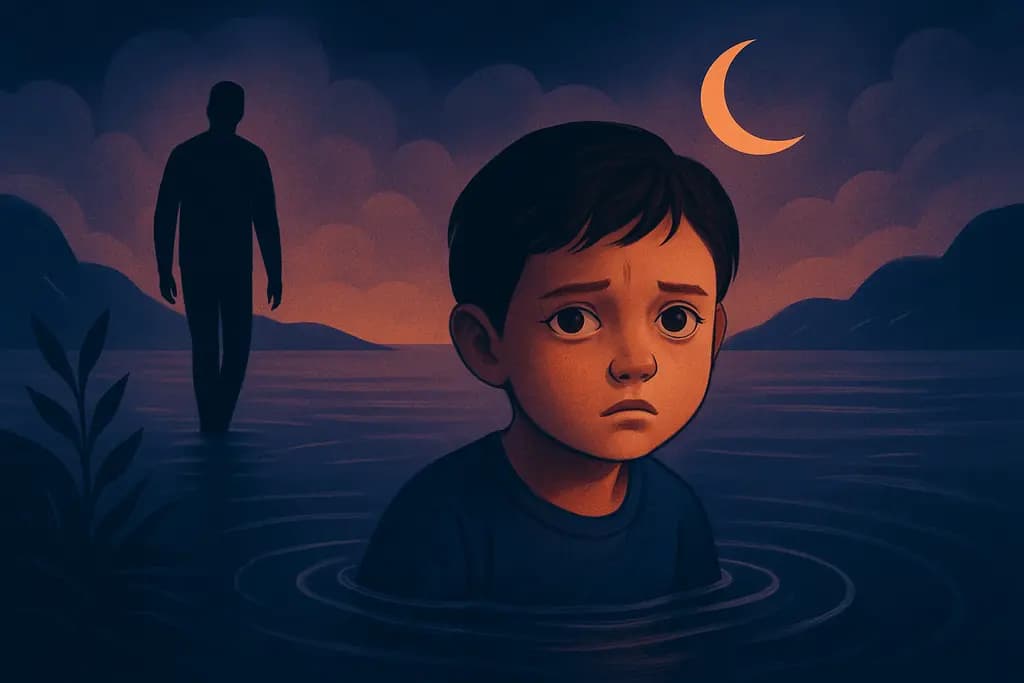
Category: Family & Children
Dreaming about being abandoned as a child in water often feels raw and urgent. This symbol combines early vulnerability with emotional depths, so the exact meaning depends heavily on how you felt in the dream and the context around it. Pay attention to sensations — panic, calm, cold, or rescue — because those shape interpretation.
General meaning of dreaming about being abandoned as a child in water
At its core, this dream fuses two powerful images: childhood abandonment and water. Childhood evokes early attachment patterns, dependency and the formative years when trust and safety are built. Water represents emotions, the unconscious mind and the flow of feeling. When you are a child in water and abandoned, the dream usually points to unresolved emotional needs, a sense of being left alone to navigate difficult feelings, or a fear that your emotional world is unsafe.
Typical interpretations emphasize both danger and potential: danger in the sense of emotional overwhelm or neglect, and potential because water also carries cleansing and renewal. Context matters — a calm pond versus a stormy sea, or whether someone later helps you — all change the message.
- Early attachment wounds or unmet needs
- Overwhelm, fear of emotional abandonment, or feeling unsupported
- A call to attend to buried feelings or old memories
- Possibility of emotional cleansing, growth, or rebirth depending on outcome
Spiritual meaning of being abandoned as a child in water in dreams
Spiritually, water often symbolizes the soul, intuition and the collective unconscious. Being abandoned as a child in water can point to a spiritual invitation to confront old patterns that block intimacy with your own inner life. In many traditions water is also a medium for purification or initiation, so this dream can signal a spiritual crisis that precedes transformation.
Different traditions frame it slightly differently: Jungian thought treats water as the unconscious to be integrated; some religious views see water as cleansing or baptismal, highlighting renewal; shamanic or ancestral perspectives may read the scene as ancestral wounds asking for attention. Across traditions the theme is similar: deep emotional material needs tending for soul growth.
Psychological interpretation
Fear, stress or anxiety
This dream can mirror acute anxiety or stress, where the image of a child alone in water captures the sensation of being overwhelmed and unable to cope. It may reflect past traumas, particularly if abandonment or neglect occurred early in life, or present-day stressors that revive that old fear.
Relationships and emotional bonds
Dreaming of childhood abandonment often maps onto attachment issues. It can indicate insecurity about current relationships, fear that important people will leave, or difficulty trusting others to meet emotional needs. The child figure points to unresolved expectations from caregivers or partners.
Control, power or vulnerability
Being small and in water heightens feelings of helplessness or loss of control. Psychologically this can reveal struggles with agency: perhaps you feel powerless in a situation, emotionally exposed, or uncertain how to protect yourself. The dream invites recognition of those vulnerabilities and, eventually, steps toward reclaiming personal power.
Positive meaning
- A chance for emotional healing: the dream may highlight what needs nurturing and prompt intentional self-care
- Potential for transformation: water can symbolize rebirth, suggesting you are moving toward a healthier emotional life
- Increased self-awareness: recognizing childhood patterns gives you power to change attachment dynamics
- Motivation to seek supportive relationships or strengthen existing bonds
Negative meaning and warnings
- May suggest unresolved trauma that continues to influence current behavior and emotional responses
- Can indicate ongoing feelings of abandonment or neglect that interfere with intimacy
- Might point to avoidance of confronting painful memories or emotions
- May indicate vulnerability to people or situations that take advantage of your need for care
Common variations of dreams about being abandoned as a child in water
- dream about being abandoned as a child: Often reflects old attachment wounds resurfacing; you may be reacting to a present situation that echoes past neglect. The feeling of abandonment is central to interpretation.
- being abandoned as a child dream meaning: This phrasing usually seeks the root cause — it can point to unmet childhood needs, lingering fears of rejection, or a current relationship that triggers those early insecurities.
- being abandoned as a child in a house: When the setting is a house rather than water, the focus shifts to family dynamics and domestic safety. It may suggest issues around home life, caregiver reliability, or feeling unsafe in familiar spaces.
What to do after such a dream
- Reflect on emotions: journal what you felt during and after the dream — fear, relief, cold, isolation — and note any real-life triggers
- Look at current life situation: consider if relationships, work stress or life transitions echo the vulnerability in the dream
- Consider relationships, fears, decisions: identify which relationships make you feel unsupported and whether boundaries or conversations are needed
- Grounding and self-care: use breathing, grounding exercises, or gentle movement to soothe the nervous system after a vivid dream
- Process the material: creative outlets like drawing, writing letters to your inner child, or guided visualization can help integrate feelings
- Seek support if needed: if the dream recurs or leaves you deeply unsettled, consider talking with a trusted friend, counselor or support group to explore these themes further
Pay attention to how the dream resolves — rescue, walking away, or learning to swim all change the message and point toward practical steps for healing and safety.