Dream About being abandoned as a child in bed – Meaning
Category: Family & Children
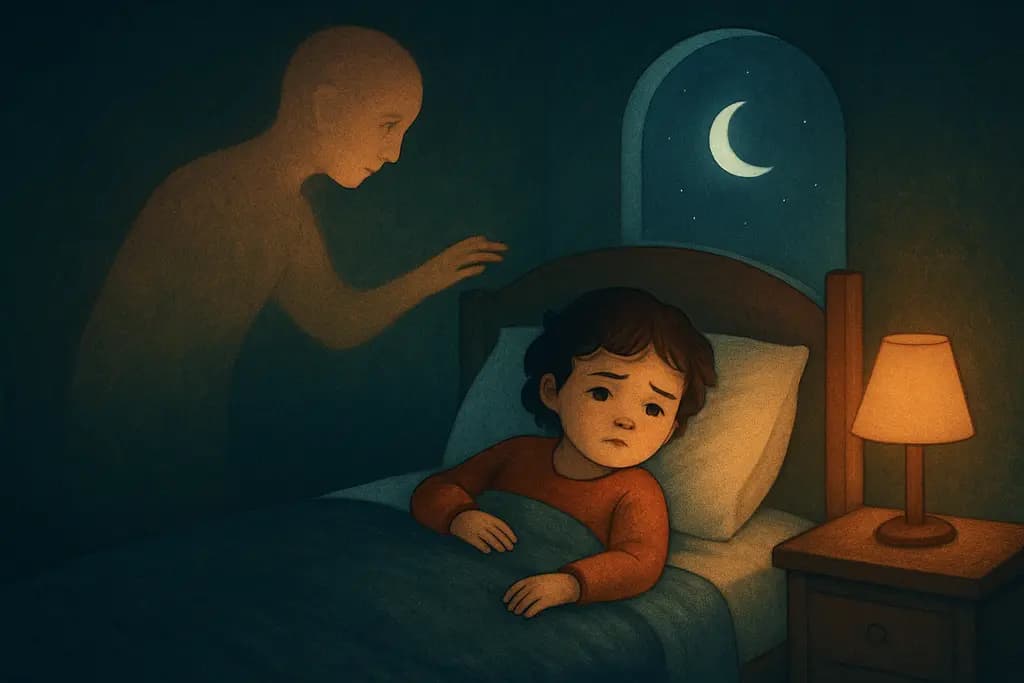
Dreams of being abandoned as a child in bed often feel intensely personal and painful. Such a scene usually highlights feelings of neglect, vulnerability, or unresolved childhood wounds. The precise meaning shifts with your emotions during the dream and the real-life context surrounding it.
General meaning of dreaming about being abandoned as a child in bed
At its core, this dream symbol points to a sense of being left alone when safety or support was expected. The image of a child in bed amplifies helplessness — beds are places of rest and care, and abandonment there can signal a breach of trust or a fear that basic needs will go unmet.
Interpreters often connect this dream to past or present emotional dependency, unmet needs, or a fear of being overlooked. It can also reflect a moment when you feel unable to protect your inner child or to give yourself nurturing.
- Fear of neglect or exclusion
- Unprocessed childhood hurt or trauma
- Current feelings of emotional abandonment or isolation
- A call to acknowledge and care for your inner child
Spiritual meaning of being abandoned as a child in bed in dreams
Spiritually, this dream can be read as an energetic call to reclaim inner wholeness and reconnect with sources of comfort and guidance. In many traditions, the sleeping child represents the soul's vulnerable state; abandonment suggests a disconnection from spiritual nourishment or from a protective presence.
Some paths view the dream as a signal to practice inner healing rituals — meditation, prayer, or ceremony — to mend feelings of separation. Across cultures, it tends to emphasize the need to restore trust: in others, in the self, or in a larger benevolent force.
Psychological interpretation
Fear, stress or anxiety
This dream often surfaces during periods of stress or anxiety. Feeling abandoned as a child in bed can mirror a present fear that you will be left to handle difficulties alone, or a worry that the support you counted on will disappear when you need it most.
Relationships and emotional bonds
It can point to insecure attachment patterns—either from early childhood or formed in adult relationships. The dream may be highlighting a relationship where you sense emotional distance, inconsistency, or a lack of reliable care.
Control, power or vulnerability
Being a child in bed emphasizes powerlessness. Psychologically, the dream may reflect a current struggle with control: you might be feeling helpless in a situation, unable to assert needs, or exposed in a way that reminds you of earlier vulnerabilities.
Positive meaning
- A prompt to start healing childhood wounds and build emotional resilience
- An opportunity to practice self-compassion and create new caring habits
- A chance to strengthen supportive relationships or set healthier boundaries
- A sign that you are becoming aware of unmet needs and can take steps toward change
Negative meaning and warnings
- May suggest unresolved trauma from childhood that still affects you now
- Can indicate ongoing emotional neglect or a relationship that leaves you feeling unsupported
- Might point to avoidance: ignoring inner wounds that need attention could deepen anxiety or withdrawal
- Can indicate a period of isolation that may harm mood or decision-making if not addressed
Common variations of dreams about being abandoned as a child in bed
- dream about being abandoned as a child: Often generalizes the same themes of neglect and vulnerability; it may arise when you feel unseen or forgotten by important people.
- being abandoned as a child dream meaning: Commonly interpreted as a call to examine early attachment and current emotional safety nets; look at who provides care now.
- being abandoned as a child in a house: Emphasizes domestic or family issues — conflicts at home, unresolved family roles, or feeling unsafe in familiar environments.
- being abandoned as a child in water: Water adds emotional depth; abandonment in water may signal drowning in feelings, fear of being overwhelmed, or a need to process strong emotions.
What to do after such a dream
- Reflect on the emotions you felt during and after the dream; name them without judgment.
- Consider events and relationships in your current life that mirror those emotions: who or what makes you feel unsupported?
- Journal or talk with a trusted person about memories and patterns that arise; tracking repeats can reveal triggers.
- Practice gentle self-care: establish small routines that reinforce safety and comfort (consistent rest, soothing rituals, grounding exercises).
- If the dream points to relationship issues, consider communicating your needs clearly or seeking mediation with patience and boundaries.
- Use creative or therapeutic work to reconnect with and nurture your inner child: art, guided imagery, or structured self-compassion practices can help.