Dream About Being Abandoned as a Child – Meaning
Category: Family & Children
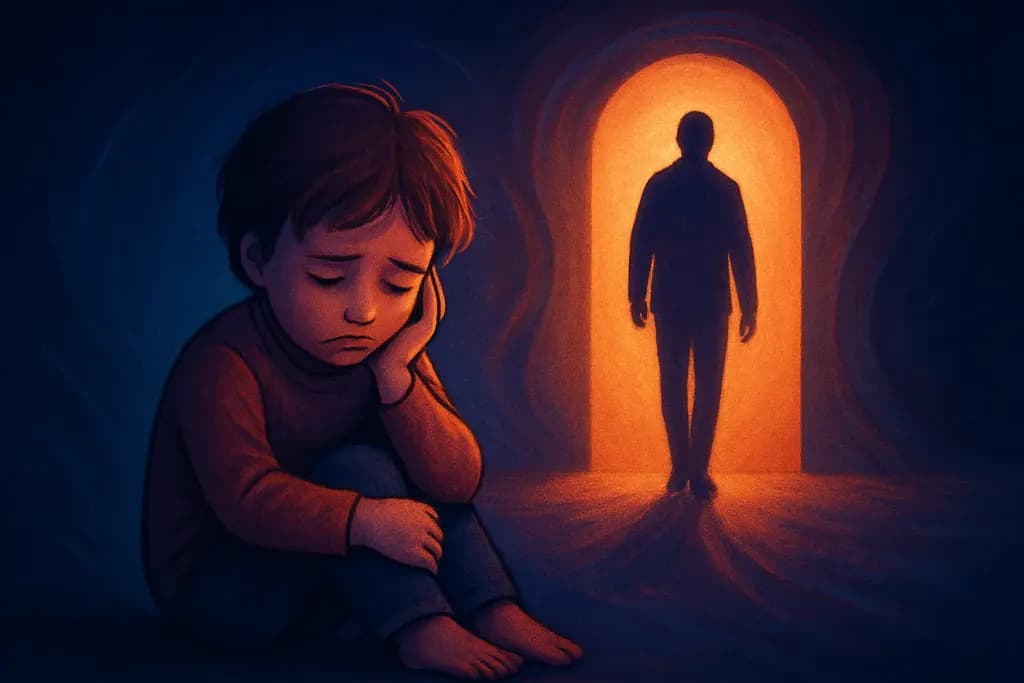
Dreaming about being abandoned as a child brings up powerful emotions tied to safety, trust and belonging. Such dreams often feel vivid and raw, and their meaning depends heavily on the dreamer s feelings during the dream and the wider context of their life. Pay attention to whether you felt terrified, relieved, or numb — those reactions change the interpretation.
General meaning of dreaming about Being Abandoned as a Child
At its core, this dream symbol points to themes of neglect, separation and unmet needs from early life or present relationships. It can represent a literal memory from childhood, an unresolved emotional wound, or a symbolic expression of feeling unsupported now. Often the image of a child left alone is shorthand for vulnerability and a longing for protection.
Common interpretations include:
- Abandonment wounds: echoes of childhood experiences where care was inconsistent or missing.
- Fear of loss: anxiety about being left behind in relationships, work or social circles.
- Desire for attention: unconscious pleas for nurturing, recognition or validation.
- Transition stress: the child may symbolize the part of you insecure about new changes.
Spiritual meaning of Being Abandoned as a Child in dreams
Spiritually, dreams of childhood abandonment can be seen as invitations to heal the inner child and restore wholeness to your energetic field. Many spiritual paths view the inner child as the seat of early imprinting; abandonment imagery asks you to nurture that part with compassion and ritual.
Different traditions respond in related ways: modern psychotherapy and energy practices encourage inner-child work and reparenting, while some religious or shamanic approaches frame the dream as a call to reclaim a lost piece of the soul or to seek guidance from protective ancestors or spirit guides. Across these views, the common thread is repair and reintegration rather than blame.
Psychological interpretation
Fear, stress or anxiety
This dream often surfaces during periods of high anxiety or when stress threatens one s sense of stability. The abandonment scenario externalizes a core fear: that supports will vanish when you need them most. It can arise before major decisions, move, breakup or career change.
Relationships and emotional bonds
Dreaming of being abandoned as a child can reflect current relational dynamics. You may feel emotionally distant from a partner, parent, friend or caregiver, or you might fear that others will not meet your needs. The dream calls attention to attachment patterns formed in childhood that shape present expectations and responses.
Control, power or vulnerability
Abandonment dreams can also highlight feelings of helplessness or loss of control. As a child in the dream you are small and dependent; this image can mirror a waking sensation of being overpowered by circumstances or by people who hold influence over you. It can be a prompt to rebuild boundaries and agency.
Positive meaning
- Opportunity for healing: the dream can signal readiness to work through old wounds and practice self-compassion.
- Inner-child connection: it may encourage reconnecting with playfulness, creativity and essential needs you ve ignored.
- Motivation to seek support: the dream can spur constructive action, such as repairing relationships or asking for help.
- Growth through awareness: recognizing these patterns can lead to healthier attachment styles and stronger emotional resilience.
Negative meaning and warnings
- May suggest unresolved trauma from early life that still affects your behavior and emotional responses.
- Can indicate a pattern of attracting unavailable people or remaining in relationships where needs go unmet.
- Might point to current neglect in a relationship, parenting situation or workplace that requires attention.
- Could signal rising anxiety or depressive feelings if the abandonment imagery recurs frequently.
Common variations of dreams about Being Abandoned as a Child
- Being left at a doorstep: This variation often highlights feelings of rejection and the fear that you are unwanted; it can point to a need for belonging or clear boundaries with caregivers.
- Lost in a crowd as a child: Suggests overwhelm and a sense that your individual needs are invisible in larger family or social systems.
- Parents driving away and not returning: Indicates fear that primary supports will withdraw permanently, reflecting insecurity in attachment relationships.
- Alone in an empty house: Can symbolize emotional isolation within a familiar environment, or the sense that the home no longer feels safe.
- Crying child no one comforts: Emphasizes unmet emotional needs and the need to validate and soothe your inner child now.
- Being given up for adoption or told you re unwanted: May bring up identity questions and feelings of abandonment tied to origins or family stories.
- Reunited with caregivers but still unloved: Points to conditional love dynamics and the persistence of emotional distance even after contact is restored.
- Abandoned at a public place (park, church): Suggests shame or exposure related to being seen as helpless or flawed by the community or family circle.
What to do after such a dream
- Reflect on your feelings: journal what you remembered, how you felt, and any images that stuck with you.
- Look at current life stressors: identify relationships, transitions or pressures that might be triggering the dream.
- Check attachment patterns: notice if you tend to worry about abandonment, cling, or withdraw in relationships and consider small changes to respond differently.
- Practice inner-child care: try gentle self-talk, visualization exercises, or daily acts of nurture that address unmet needs.
- Talk with someone you trust: share the dream with a friend, family member or a supportive group to gain perspective and emotional relief.
- Consider professional support if the dream recurs or causes deep distress: a therapist or counselor can help you process traumatic memories and develop coping strategies.
Remember, one dream is a signal, not a diagnosis. Treat it as information about your inner world and a starting point for care and change.