Dream About Attacked by a stranger – Meaning
Category: Fears & Nightmares
Main interpretation
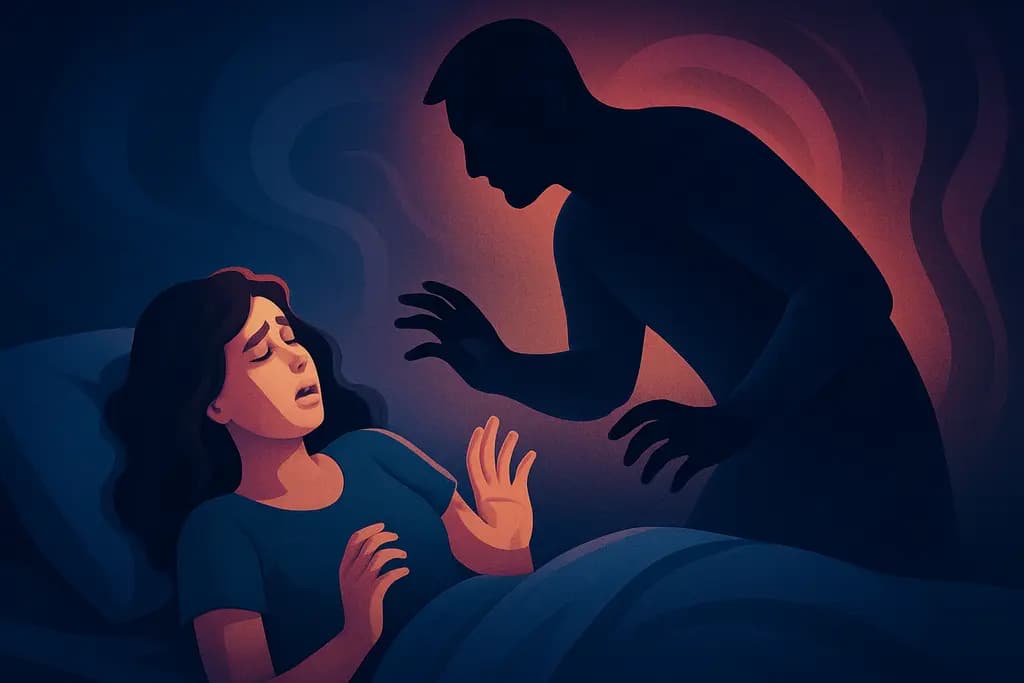
At its core, being attacked by a stranger in a dream often represents an unrecognized threat — either an external stressor you haven't named (a new boss, surprise debt, an emerging conflict) or an internal impulse or memory that feels invasive. The stranger’s anonymity matters: it signals ambiguity about the source. If you felt helpless, the dream may point to eroded boundaries; if you fought back, it can reflect growing resources or a readiness to confront that pressure. In real life, the unknown assailant frequently symbolizes a situation or feeling, not a person waiting to harm you.
What it can reflect emotionally
From a neutral psychological angle, these dreams tap the brain’s threat‑detection system and symbolic problem‑solving. The unknown attacker condenses surprise, alarm, and loss of control into a single figure so your mind can rehearse responses. Emotional cues — whether shame, rage, or panic — give specific clues about the issue: shame points to vulnerability, rage to a suppressed boundary, panic to overwhelm. Repetition or heightened physical detail suggests your nervous system is still integrating a recent event or stressor.
What this dream is rarely about
This dream is rarely a literal prediction of a future assault. It does not usually name a real attacker waiting to appear. Instead, it more often dramatizes a boundary being crossed, an unresolved tension, or a sudden life pressure. Take the scene as symbolic action, not a GPS for real‑world danger.
Three common meanings
New external pressure. If the dream follows a job change, a new relationship, or unexpected responsibility, the stranger often represents that sudden external demand. The attack dramatizes feeling ambushed by obligations: you might feel unprepared, overwhelmed, or outnumbered. Notice where the scene echoes your waking schedule or a recent surprise notice.
Boundary violation or betrayal. When the dream centers on being grabbed, exposed, or humiliated, it commonly points to boundaries that have been crossed — by a partner, friend, or institution. The stranger’s anonymity emphasizes that the violation feels impersonal or difficult to name. Reflect on recent interactions where your limits were ignored.
Shadow or unwanted impulse. Sometimes the attacker represents a part of yourself you reject: anger, jealousy, or a risk you won’t admit to. The violence in the dream dramatizes inner tension — an impulse pushing to be recognized. Ask whether you’ve been suppressing feelings or decisions that now feel dangerously close to spilling out.
Trauma memory or hypervigilance. For people with a history of harassment or assault, this dream can replay the nervous system’s memory of past threat. The stranger may be faceless but the bodily responses are familiar. In that case the dream is a signal to prioritize safety strategies and grounding practices rather than an indicator of new danger.
Specific details people often mention
People often report specific, jarring imagery: a flickering streetlight, a rain‑soaked coat, a tiled subway car, a locked door that won’t open, the metallic taste of fear, or a distant siren. Some notice their legs won’t move or hear a child crying nearby — small sensory details that anchor the scene.
Why recurring versions matter
This dream matters most when it repeats or arrives alongside real‑life stress: a breakup, legal trouble, or a new role that feels risky. Recurring versions are a sign your mind hasn’t resolved the issue — the scene keeps rerunning until you acknowledge or change the trigger. If the dream follows a traumatic event it signals the need for safety, grounding, and attentive care. Practical steps include logging when the dream occurs, noting triggers, and practicing nighttime grounding so your nervous system can settle.
How different traditions interpret it
Meanings differ across cultures and frameworks. In Jungian terms the stranger aligns with the shadow; in some folk traditions a nocturnal assault can be read as a bad omen or a spirit testing your vigilance. Other communities emphasize the dream as a social warning — to watch for deceit or shifting alliances. No one cultural reading is universally correct; look for imagery and metaphors that resonate with your upbringing and belief system.
FAQ
Can this dream be positive?
Yes. A positive outcome can follow when the dream motivates you to set boundaries, prepare for change, or reclaim strength — the attack becomes a catalyst for action or growth.
Is it related to stress?
Often. These dreams commonly appear during high stress, sudden change, or sleep disruption because the brain prioritizes processing threats when alarmed.
Why does this dream repeat?
It repeats when the underlying issue — a fear, unresolved boundary, or past trauma — hasn’t been acknowledged or addressed. The dream keeps returning until something changes.
Is this dream a warning?
Not usually. While it can urge caution, it is rarely a literal warning of a specific future assault; treat it as symbolic information about vulnerability or boundaries.
Dream meanings connected to this one
Dreams about attacked by a stranger are often connected to Chased by a Monster, Chased by Animals, and Abandonment. Looking at those nearby themes can help you compare control, fear, pressure, or change across similar dream scenes. You may also want to compare it with Aging if the same mood or conflict keeps showing up.