Dream About Ancient book – Meaning
Category: Objects
Main interpretation
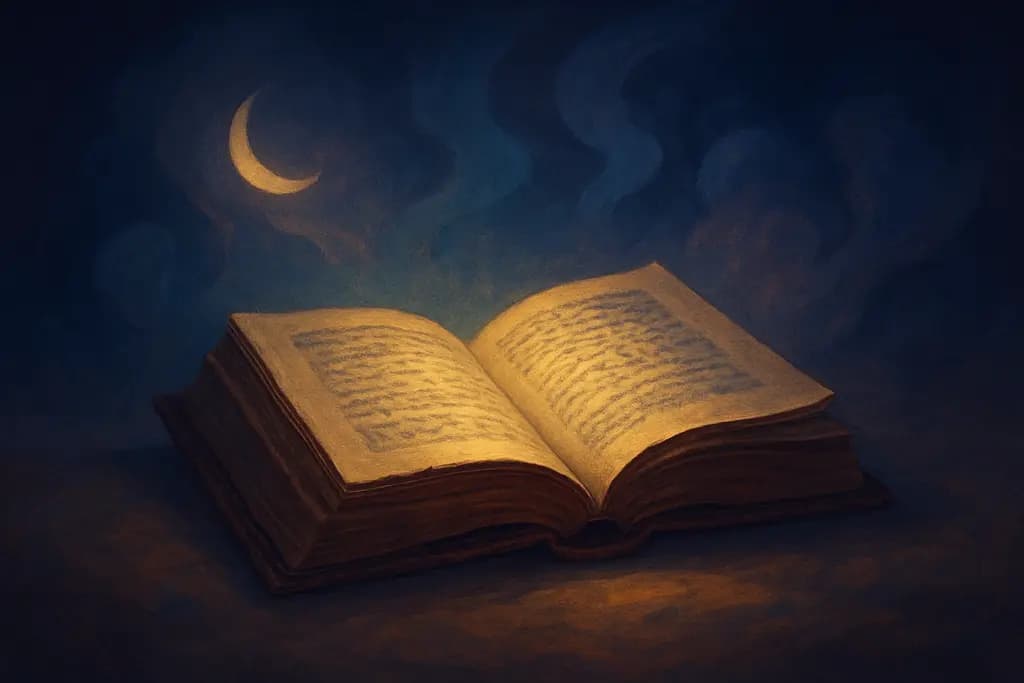
An ancient book in a dream most directly suggests stored information that matters now: ancestral lessons, outdated rules you still follow, or forgotten skills waiting to be reclaimed. If the book is sealed or brittle it can reflect repressed memories or inherited obligations; if it opens easily, it may indicate accessible insight or a sudden clarity about a personal question. Look at your emotion in the dream — curiosity, dread, relief — to guide what kind of knowledge is relevant.
Psychological perspective
From a modern psychological angle, an ancient book is a symbol your brain uses to organize memory, values, and long-term learning. It often appears during periods of integration: after a family conversation, a big decision, or when you’re absorbing new information that relates to old beliefs. The book’s condition and your feelings map to how accessible or charged that material is — brittle pages often imply unresolved grief or fixed beliefs; a clean volume suggests reorganized, usable knowledge.
What this dream usually does not mean
This dream is rarely a literal prediction about treasure or future events. It does not usually mean you will physically inherit a specific book or that a supernatural download is imminent. Instead, the image rarely works as a direct forecast — it is more about current mental contents, past influences, and decisions you are processing right now. The emotional tone matters more than any single literal prop.
Key interpretations
Inherited stories and family patterns. When the book is heavy, locked, or wrapped in family papers, it can point to traditions, obligations, or narratives passed down through relatives. You may be confronting a parental expectation, a surname legacy, or long-standing rules that shaped your choices. Consider which family narratives you repeat and whether any page needs editing — in real life, opening one chapter could mean asking someone about their experience or looking at old letters.
Hidden skills and personal guidance. If the book feels familiar or its pages reveal instructions, the dream can signal untapped abilities or inner advice you’re ready to use. This shows up when you’re preparing for a new role — a job, care-giving duty, or creative project — and your mind surfaces a manual-like image. Practically, test a small skill or follow one clear suggestion the dream offers and note what changes.
Specific details people often mention
People often describe the book tucked into a triangular attic corner, hidden behind a warped door, or left on a marble lectern in a rainy courtyard. Auditory and bodily details show up too: the scratch of a quill, the smell of mildew, sunlight sliding across gilded letters, a throat tightness when you touch the spine.
When this dream deserves attention
This dream deserves attention when it repeats, appears after a stressful family interaction, or surfaces during a big life transition like career change, moving, or caretaking. Recurrence suggests an unresolved question or pattern; the dream can persist until you either act on the insight (ask a relative, research a family history) or consciously rewrite the narrative (set a boundary, learn a skill). If fear or avoidance dominates the dream, it signals material that needs name and small steps to resolve.
Cultural and symbolic views
Meanings vary across traditions and should not be treated as universal. In some cultures the book represents lineage and recorded law; in others it invokes sacred scripture or the kept stories of elders. Indigenous, Christian, Muslim, Buddhist, and folk traditions will frame the image differently — some elevate it to ancestral record, others to moral teaching — so interpret the dream with attention to your own cultural background and family stories.
Frequently asked questions
What should I do after this dream?
Do something concrete: jot down the most striking line or image, ask one family member a specific question, or try one small practice the dream suggests — reading, researching, or rehearsing a task. Treat it as a prompt for action rather than prophecy.
Why do I feel fear in this dream?
Fear often appears because the book represents buried material — responsibility, old criticism, or a secret — and touching it can feel like reopening a wound. The emotion usually marks what needs careful attention, not an omen of danger.
Why does this dream repeat?
Repetition means the brain is signaling unfinished processing: a repeated lesson, unresolved family pattern, or a skill you haven’t tested. It persists until you address the issue directly or integrate the lesson.
Is this dream a warning?
Not usually. The dream is seldom a literal warning of imminent harm. It can, however, highlight a risky pattern or decision you should review; treat it as a cue to examine choices, not as a direct threat.
Related dreams to explore
Dreams about ancient book are often connected to Balloons, Bicycles, and Bikes. Looking at those nearby themes can help you compare control, fear, pressure, or change across similar dream scenes. You may also want to compare it with black lost objects if the same mood or conflict keeps showing up.