Dream About An empty theater – Meaning
Category: Places
A common version of this dream
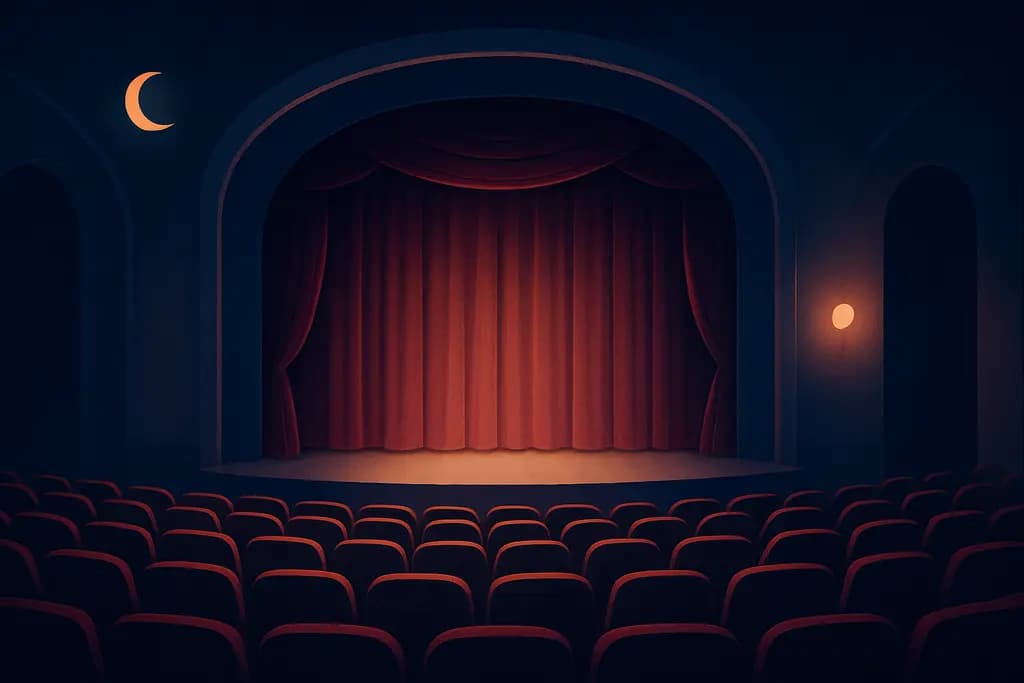
When you wake with the unsettled hush of being overlooked, you might remember stepping into a dim lobby and climbing toward rows of red velvet seats. The house lights are down, a single spotlight sits cold on center stage, and the curtain hangs still. You feel a tug—anxiety if you were meant to perform, relief if you were escaping an audience, or a hollow quiet after an anticipated event never arrived. The smell of dust and stale popcorn anchors the scene in an ordinary, very human place.
Three common meanings
A pause before action. If you felt anticipation on the stage, the empty theater can mean you’re poised to start but circumstances haven’t aligned yet. This might map onto a postponed launch, an interview you haven’t taken, or a creative project waiting for funding or time. The dream calls attention to practical next steps: rehearsal, rehearsal space, or finishing a script—concrete actions that move potential into performance.
Fear of being unseen. When the mood in the dream is hollow or anxious, the empty house often mirrors worries about visibility. Maybe you recently sought praise, applied for recognition, or stepped forward and felt ignored. The theater image can make that sting literal: the audience you expected isn’t there. It asks whether you’re seeking external validation or whether you can begin for yourself, even without applause.
Solitude as clearing. If the quiet felt calm or welcome, the empty theater may be a positive clearing—space to experiment without judgment. Actors rehearse in empty halls; inventors tinker in silence. Here the dream celebrates creative incubation or recovery after an intense period. It suggests using solitude to try out roles, rewrite lines, and practice until you feel ready for company.
Regret about missed opportunities. When the dream carries a sense of loss—dusty seats, a closed box office—it can point toward regret for a chance you didn’t take: an audition you skipped, an apology unsaid, or a career move postponed. The theater frames that regret in public terms, making private hesitations feel like small stages where you turned away. The image nudges you to consider whether you can reclaim or re-stage what feels lost.
What this dream is rarely about
This dream is rarely a literal prediction that you will actually perform to an empty room or lose a public role. It does not usually mean something catastrophic is about to happen. Instead, the image tends to work metaphorically: it highlights emotional timing, missed recognition, or preparation rather than forecasting real-world events. There is often a surprising tenderness beneath the quiet—an invitation to notice what you’re waiting for.
Concrete details that tend to stand out
People frequently notice small, precise images: a lone ticket stub on the aisle, a shattered projection lamp, the sound of a distant train under the floorboards, or a row of coats draped over empty seats. Occasionally the marquee outside reads a personal name or a date, which makes the stillness feel oddly intimate.
Symbolic and spiritual meaning
Symbolically, many people read the theater as a stage of the soul where roles are tried on and released. An empty auditorium may represent an inward invitation: a call to witness your own life without the crowd, or a sacred pause before a new chapter. This framing is non-dogmatic—useful as a contemplative image rather than a rule. If it resonates, consider the theater as a place to sit quietly and listen for the next line your life asks you to speak.
Psychological perspective
From a psychological angle, an empty theater often surfaces role-related concerns: who you are expected to be, who you allow yourself to be, and how you handle attention or its absence. The scene can mirror cognitive processes like rehearsing future conversations, replaying social mistakes, or mentally preparing for change. It’s a neutral signal that your mind is assigning importance to performance, reputation, or timing. Not a diagnosis—just an observation that your waking concerns are arranging themselves theatrically in sleep.
What to ask yourself
- What recent situation left me waiting for recognition, and where do I still feel paused?
- When did I last rehearse or practice something privately before sharing it publicly?
- If I imagine stepping onto that empty stage today, what first small action would feel honest and doable?
FAQ
What should I do after this dream?
Write down the scene and one specific emotion you remember. Then pick one concrete next step—send an email, rehearse a talk, or try a short creative exercise—and do it within 48 hours.
Is this dream a warning?
Not usually. It’s rarely a literal warning. More often the dream signals timing, self-presentation, or anxieties about visibility rather than predicting imminent danger.
Is this about money?
Usually no. While an empty venue can symbolize loss or missed opportunity, it does not specifically mean financial trouble; financial meaning appears more clearly when money-related symbols (bills, wallets, transactions) are present.
Related dream meanings
Dreams about an empty theater are often connected to Bad Weather, Ballrooms, and black waterfalls. Looking at those nearby themes can help you compare control, fear, pressure, or change across similar dream scenes. You may also want to compare it with Cave if the same mood or conflict keeps showing up.