Dream About An abandoned hospital – Meaning
Category: Places
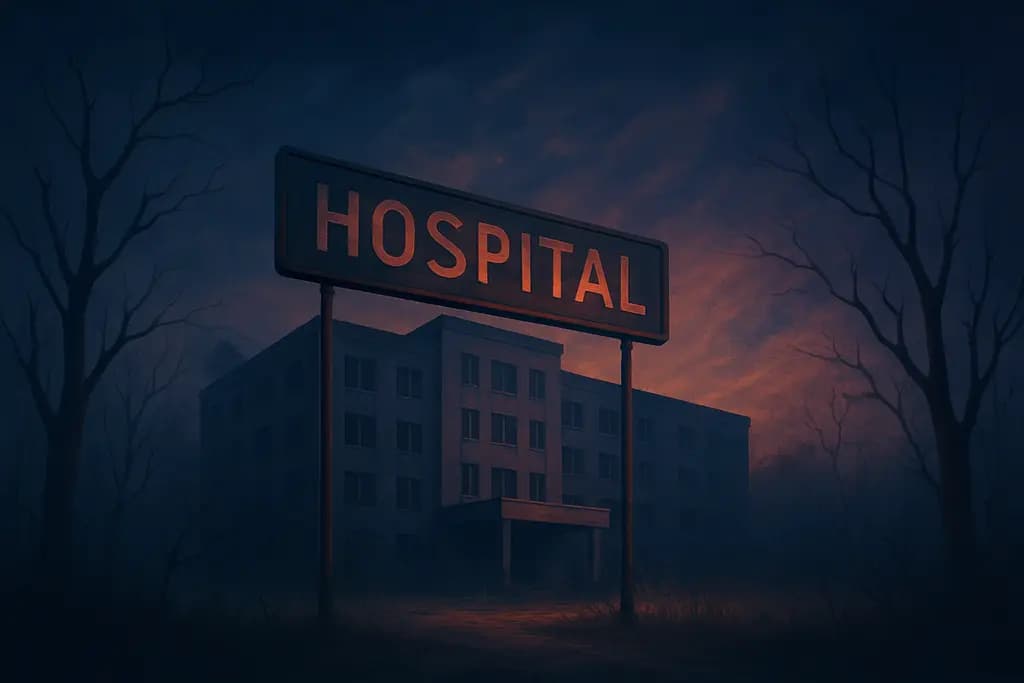
Dreaming of an abandoned hospital often feels eerie and poignant. Such dreams usually combine themes of care, illness and neglect, and their meaning depends heavily on how you felt in the dream and what else was happening around you. Context — your emotions, the state of the building, and any people or objects present — shapes the interpretation.
General meaning of dreaming about An abandoned hospital
An abandoned hospital in a dream commonly symbolizes unresolved health, emotional wounds, or neglected parts of your life that once needed attention. Hospitals are places of treatment and recovery; when they appear abandoned, they can point to healing that has stalled, relationships or projects left behind, or a sense that support systems are missing.
These dreams can also reflect transitions: a chapter where care, rules or professional help are no longer available, forcing you to rely on yourself. They often bring up feelings of vulnerability, loss or the strange calm of an empty, once-busy space.
Key meanings to consider:
- Neglected healing: emotional or physical recovery that hasn’t been completed.
- Abandoned support: feeling cut off from help or professionals you once depended on.
- Past trauma or memories resurfacing: the site of care holding old records or echoes.
- Transition and independence: being left to manage without institutional support.
Spiritual meaning of An abandoned hospital in dreams
Spiritually, an abandoned hospital can represent a place in your inner landscape where past wounds were kept and are now being released or ignored. Some traditions view empty sacred or caregiving spaces as indications that past patterns of suffering are ready to be revisited and transformed.
Across belief systems, the image may signal a need to reclaim personal power over your healing journey rather than rely on external saviors. It can also suggest an energetic clearing — that stagnant pain or old contracts tied to illness and caretaking are being left behind.
Psychological interpretation
Fear, stress or anxiety
If the dream evokes fear or unease, it may mirror current stress about health, whether your own or someone close to you. The abandoned hospital becomes a symbol of anxiety about neglected problems, medical decisions postponed, or the fear of being alone when care is needed.
Relationships and emotional bonds
In the context of relationships, this dream can indicate emotional neglect — either you or someone else stopped giving attention and support. It might point to a caregiving role that ended suddenly or to unresolved caregiving dynamics from childhood that still affect your bonds.
Control, power or vulnerability
An abandoned hospital can highlight feelings of lost control: systems that once provided structure are gone, leaving you vulnerable. Psychologically, it may surface issues around autonomy — whether you feel empowered to handle your needs or abandoned to fend for yourself.
Positive meaning
- Sign of recovery: the institution of illness is empty because you’re moving beyond a period of dependence.
- Personal growth: forced independence leads to increased resilience and self-reliance.
- Letting go of old patterns: abandoning old roles such as constant caregiver or patient frees you to redefine your life.
- Opportunity for repair: finding ways to refurbish or re-enter the building in the dream can symbolize healing and restoration.
Negative meaning and warnings
- May suggest unresolved health issues or emotional wounds that need attention and shouldn’t be ignored.
- Can indicate feelings of abandonment or a breakdown in support networks, which may lead to isolation if unaddressed.
- Might point to suppressed trauma resurfacing in unsettling ways.
- Could suggest avoidance: putting off difficult conversations, medical checks, or decisions related to care may carry risks.
Common variations of dreams about An abandoned hospital
- Walking through an abandoned hospital: Often reflects exploration of neglected feelings or memories; you may be seeking answers in places you previously avoided.
- Locked rooms or wards: Could indicate hidden issues or repressed memories you cannot access easily but feel are important.
- Finding medical records or files: Suggests that past history — family medical, emotional patterns or past diagnoses — is relevant now and may need revisiting.
- Seeing old equipment or empty beds: May symbolize how care once provided is no longer available and highlights independence or loss.
- Encountering a lone patient or nurse: A single figure can represent a part of you still in need of care, or a reminder that someone in your life remains vulnerable.
- Restoring or renovating the hospital: Positive variation that implies active healing, reclaiming your inner resources, or repairing relationships.
- Hearing distant cries or complete silence: Sounds convey emotional tone — crying can point to unresolved grief; silence may reflect numbness or emotional shutdown.
- Finding a child's room or nursery: Can relate to childhood wounds, unmet needs from early life, or the need to nurture your inner child.
What to do after such a dream
- Reflect on your emotions: note how you felt during and after the dream; mood often points to the area needing attention.
- Review current life areas: consider health, caregiving roles, relationships, or projects that feel neglected.
- Journal specific images: details like rooms, records or people can reveal themes to explore in therapy or personal reflection.
- Talk with trusted people: share the dream with friends or a counselor to gain perspective and practical steps.
- Take small actions: if the dream highlights neglect, set one manageable goal (a doctor checkup, a conversation, or time for self-care) to begin addressing it.