Dream About Amnesia or memory loss – Meaning
Category: Body & Health
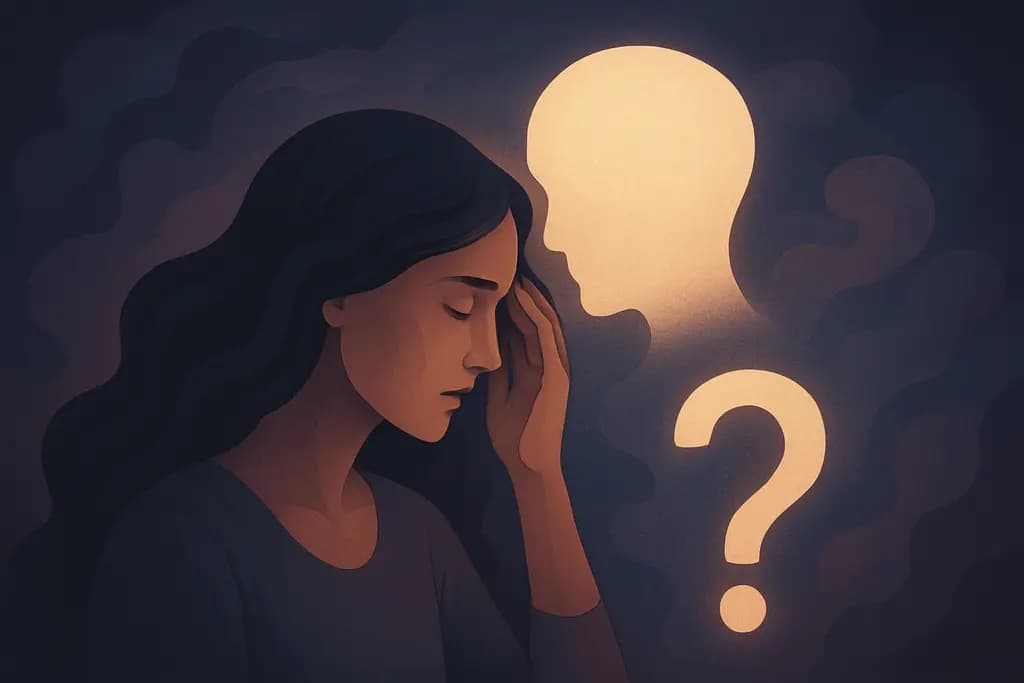
Dreaming about amnesia or memory loss often feels disorienting and alarming. Such dreams can point to gaps in identity, forgotten responsibilities, or emotional material that your mind is putting out of reach. The precise meaning depends heavily on how you felt in the dream and the situations surrounding the memory loss.
General meaning of dreaming about Amnesia or memory loss
Dreams of amnesia or memory loss commonly symbolize uncertainty about who you are, what you value, or what you’re supposed to do next. They often surface during life transitions, periods of stress, or when important decisions make you question past choices. Memory gaps in dreams can also represent suppressed or avoided feelings that your subconscious is asking you to notice.
Core symbolic interpretations include:
- Loss of identity: feeling disconnected from your former self or roles.
- Avoidance: wanting to forget painful events or responsibilities.
- Transition: a break with the past signaling change or reinvention.
- Vulnerability: exposure of gaps in knowledge, confidence, or control.
Often the surrounding context—who you forget, where you are, and how others react—shapes whether the dream is about threat, relief, or opportunity.
Spiritual meaning of Amnesia or memory loss in dreams
Spiritually, memory loss in dreams can point to a cleansing or shedding of old patterns. Some traditions view forgetting as symbolic release, letting go of karmic attachments or outdated beliefs to make space for new growth. In other spiritual frameworks, it may indicate a need to reconnect with deeper wisdom—an invitation to seek inner silence and re-member what truly matters.
Across cultures the theme is similar: forgetting can be both a warning to pay attention and a blessing that enables renewal when approached with mindful reflection.
Psychological interpretation
Fear, stress or anxiety
Dream amnesia can mirror acute anxiety or overwhelm. When your waking life feels fast or unmanageable, the mind might simulate memory loss to dramatize how pressured you feel. These dreams may highlight fears of forgetting obligations, failing tests, or losing competence.
Relationships and emotional bonds
Forgetting a partner’s name or important shared events can reflect emotional distance, unresolved conflict, or guilt. It may indicate that parts of a relationship are being neglected, or conversely, that you are protecting yourself from painful memories by dissociating emotionally.
Control, power or vulnerability
Memory loss dreams often expose feelings of vulnerability—fear of losing control, status, or authority. They can also reveal power dynamics: being unable to recall may make you feel helpless, or it might signal surrendering control to allow new narratives to form.
Positive meaning
- Opportunity for reinvention: forgetting can be the first step toward creating a new identity or life path.
- Emotional healing: letting go of traumatic memories to reduce their daily hold.
- Release from obligations: freeing yourself from roles that no longer fit.
- Increased present-moment focus: a push to live more in the now and worry less about the past.
- Creative reset: a blank slate that encourages experimentation and new habits.
Negative meaning and warnings
- May suggest avoidance: the dream can indicate you are suppressing important feelings or responsibilities.
- Can indicate anxiety: repeated memory-loss dreams may reflect ongoing stress or burnout.
- May point to relationship strain: forgetting shared history can signal emotional distance or unresolved conflict.
- Can indicate diminished confidence: these dreams may arise when you doubt your competence or authority.
Common variations of dreams about Amnesia or memory loss
- Forgetting your own name: Often reflects a crisis of identity or a desire to escape expected roles; it can feel like losing the anchor of who you are.
- Unable to remember a loved one: May suggest guilt, fear of losing connection, or anxiety that the relationship is changing.
- Losing professional knowledge or skills: Can indicate impostor feelings, fear of failure at work, or stress about a role you must fill.
- Waking up with blank childhood memories: Might point to repressed early experiences coming into awareness or a need to reconcile past influences.
- Recovering lost memories in the dream: Suggests integration and healing—pieces of your story returning as you process emotions.
- Witnessing someone else’s memory loss: Could reflect concern for another person’s wellbeing, or projection of your own fears onto them.
- Taking a memory test and failing: Often connected to performance anxiety, self-judgment, or perceived scrutiny by others.
What to do after such a dream
- Reflect on emotions: note how the dream left you feeling—confused, relieved, scared, or calm—and write those impressions down.
- Examine current stressors: consider whether recent changes, decisions, or overload could be linked to the dream.
- Review relationships: think about closeness, responsibilities, or unresolved tensions that might be represented by forgetting.
- Take small practical steps: journaling, naming what you fear you’re losing, and setting one manageable action can reduce anxiety.
- Talk it over: share the dream with a trusted friend, partner, or counselor if it lingers or causes distress. Talking can clarify whether it’s symbolic or points to something you need to address.
These steps help turn the unsettling feeling of amnesia dreams into useful insight about who you are and what you might need to change or protect.