Dream About abandoned child in a house dream – Meaning
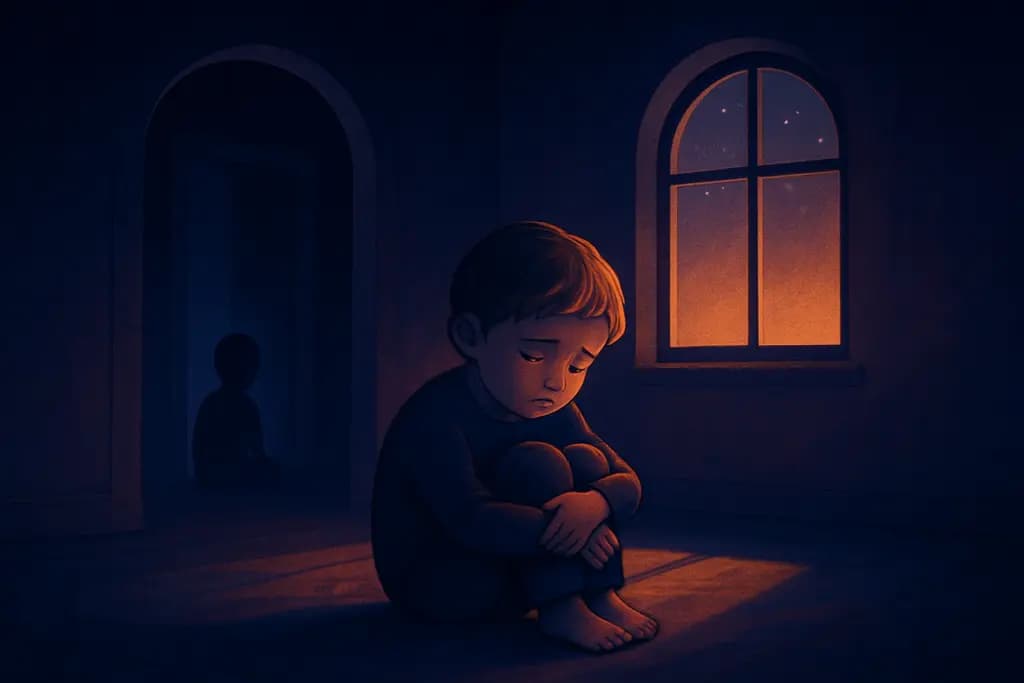
Category: Family & Children
Main interpretation
Finding an abandoned child in a house most commonly signals a neglected or vulnerable part of yourself: unmet emotional needs, old childhood wounds, or responsibilities you feel ill-equipped to meet. It may reflect guilt about not being present for someone, or the sense that a piece of your identity has been left behind in a change — a move, break-up, or new job. The image asks you to notice where care is missing and whether you must re-engage, protect, or set limits; it can feel tender and frightening at once.
Psychological perspective
Viewed psychologically, this dream often emerges from attachment dynamics, role stress, or unresolved developmental needs rather than prophecy. In real life, it frequently appears after big transitions — divorce, a new child, job change — when you feel stretched thin or emotionally absent. The sleeping brain uses the house and child imagery to dramatize what feels neglected or unsafe: the brain is signaling a need for repair, re-parenting, or clearer limits without offering medical judgment.
What this dream usually does not mean
This dream is rarely, and does not usually work as a literal prediction that a child will be abandoned or lost. It does not typically forecast an external catastrophe. Instead, it points inward: symbolic neglect, unresolved duty, or fear. Treating it as prophecy can intensify anxiety without addressing the emotional gap the dream is signaling.
Key interpretations
- Neglected inner child or past hurt. The abandoned child stands for a youthful, vulnerable part of you that hasn’t had attention — perhaps feelings shelved during a difficult childhood, unresolved grief, or self-care neglected while you prioritized work or caregiving. The house’s rooms map memories: the attic holds old secrets; the hallway marks transitions. Respond by naming the need, allowing small acts of care (journaling, revisiting a hobby, therapy), and noticing when you silence tenderness with busyness.
- Responsibility anxiety and boundary strain. This dream can signal acute worry about failing dependents or the burden of roles you feel trapped in — single parenting, elder care, or workplace leadership. The abandoned child can be the pressure point: will you meet expectations or let something important fall through? Practical steps include listing obligations, delegating, setting one boundary, and making a short plan to check on the most vulnerable tasks or relationships.
Concrete details that tend to stand out
People often report a single vivid object — a battered toy car under the sofa, a tiny raincoat on a hook, an open attic door with a sliver of light — or sounds like a slow ticking clock, distant footsteps, or a child’s whisper that won’t resolve.
When to take this dream seriously
Take this dream seriously if it repeats, wakes you with strong anxiety, or coincides with a real-life lapse in caregiving, persistent guilt, or a major life shift. Recurrence, waking panic, or detailed repetition (same room, same toy) suggests an unresolved issue that affects daytime functioning. Practical first steps: write down the recurring details, identify one neglected need you can address this week, and talk with a trusted friend or counselor if the dream fuels ongoing distress.
How different traditions interpret it
Meanings vary across cultures: in Western therapeutic circles the image often maps to the ‘inner child’; some Indigenous perspectives may read it as a signal from community or ancestors about neglected social duties; certain religious readings might link it to stewardship or moral responsibility. Always consider how your cultural background frames children, home, and care, since symbols are interpreted differently across traditions.
Frequently asked questions
Is this dream a warning?
Is this dream a warning? Not usually a literal warning. It commonly signals emotional neglect, responsibility anxiety, or unmet needs that deserve attention rather than predicting an external event.
Is this about relationships?
Is this about relationships? Often yes. It frequently reflects caregiving dynamics, feeling unseen in a family, or anxiety about failing someone who depends on you.
Is it related to stress?
Is it related to stress? Yes. High stress, fatigue, or major transitions commonly trigger this image as your mind highlights what’s been pushed aside.
Can this dream be positive?
Can this dream be positive? Yes. It can be a useful prompt to heal, reconnect with forgotten parts of yourself, set healthier boundaries, or restore a neglected relationship.
Related dream meanings
Dreams about abandoned child in a house dream are often connected to dreaming of holding a newborn baby, dreaming of a crying baby, and dreaming of a baby crying loudly. Looking at those nearby themes can help you compare control, fear, pressure, or change across similar dream scenes. You may also want to compare it with many adopted children in a dream if the same mood or conflict keeps showing up.