Dream About A piano playing itself in an empty hall – Meaning
Category: Objects
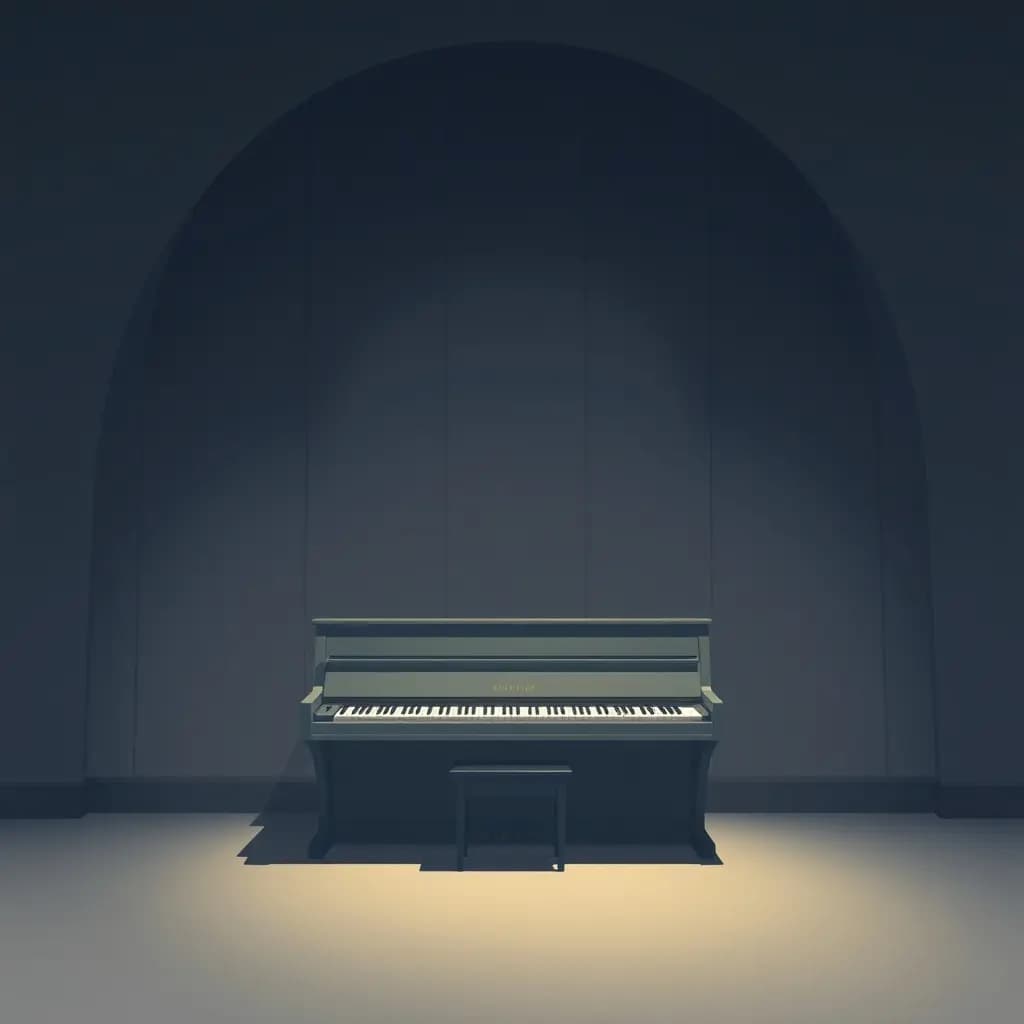
A piano playing itself in an empty hall is a striking dream image that mixes music, solitude and mystery. It often points to something being expressed without a visible agent — an inner voice, an unresolved memory, or a creative impulse. The precise meaning depends heavily on the mood of the music and how you felt in the hall.
General meaning of dreaming about A piano playing itself in an empty hall
At its core this dream combines themes of expression (the piano), autonomy or distance (playing by itself), and solitude or exposure (an empty hall). The instrument represents emotional vocabulary and creativity; its self-action suggests processes that are moving on their own — memories replaying, instincts taking over, or talents surfacing without conscious prompting.
Because the setting is an empty hall, the dream often emphasizes audience and recognition: are you performing for others, or are you recognizing something only you can hear? The acoustics and atmosphere (echoing, bright, dusty, grand) shape whether the message feels hopeful, eerie, or unresolved.
- Subconscious communication: inner feelings trying to be heard.
- Creativity or talent emerging without deliberate effort.
- Loneliness, longing for recognition, or the experience of being observed yet alone.
- Unresolved past memories or emotional patterns replaying.
Spiritual meaning of A piano playing itself in an empty hall in dreams
Spiritually, sound is frequently seen as a carrier of vibration and meaning. A self-playing piano in a vacant space can symbolize messages from the deeper self, ancestors, or the collective field — a form of guidance delivered through tone rather than words.
Different traditions interpret musical phenomena as signs of attunement or imbalance: some view spontaneous music as a calling to listen more closely to inner wisdom, while others see it as the space itself holding memory. Universally, the image asks you to tune in to subtle energy — notice whether the music comforts, warns, or calls you to respond.
Psychological interpretation
Fear, stress or anxiety
When the piano sounds chaotic, off-key or relentless, the dream can mirror internal anxiety or intrusive thoughts. The instrument playing without your control may represent worries that replay in your mind, a sense that emotions are running on autopilot, or stress that feels unavoidable.
Relationships and emotional bonds
Music tied to memory — a lullaby or a familiar tune — points toward relationships and attachment. An empty hall amplifies absence: the dream may reflect longing for a lost connection, unacknowledged needs in a partnership, or a feeling of performing emotionally without reciprocal attention.
Control, power or vulnerability
A piano performing itself occupies a tension between agency and passivity. It can indicate empowerment — discovering an internal resource you didn’t realize you had — or vulnerability: being exposed while events unfold beyond your control. How you respond in the dream (listening, leaving, trying to stop the music) reveals whether you feel capable or overwhelmed.
Positive meaning
- Emergence of creativity: a reminder that creative energy is alive even if you haven’t consciously started.
- Inner guidance: the music may signal intuitive insights or a gentle nudge toward a new direction.
- Healing resonance: harmonious sounds often indicate emotional processing and release.
- Self-reliance: the instrument playing itself can suggest you have inner resources to carry you through challenges.
- Opportunity for expression: an invitation to translate inner melodies into action — art, conversation, or decisions.
Negative meaning and warnings
- May suggest unresolved grief or memories resurfacing that need attention.
- Can indicate suppressed feelings that are replaying until acknowledged.
- May warn you about isolation or being emotionally unseen if the hall feels hollow.
- Could point to a loss of control in some area of life when the music feels intrusive or distressing.
- Can indicate avoidance: letting things happen without engaging when action is needed.
Common variations of dreams about A piano playing itself in an empty hall
- Grand piano playing itself in an empty concert hall — Suggests a sense of public potential or stage fright; you may be aware of talent but unsure about performing for others.
- Old or abandoned piano playing itself — Often linked to past memories, ancestral themes, or long-neglected emotions resurfacing.
- Piano playing off-key or dissonant in the empty hall — Can indicate internal conflict, anxiety, or feelings that don’t align with your values.
- A beautiful, harmonious melody filling the empty hall — Typically a sign of inner clarity, inspiration, or a comforting message from your deeper self.
- The piano playing a familiar song (a lullaby, a song from childhood) — Points to family dynamics, nostalgia, unresolved childhood material, or comfort you once received.
- A ghostly or unseen player at the piano — May feel spiritual or uncanny; often interpreted as an unresolved presence or a sense that past influences still shape you.
- The piano moving but making no sound — Suggests blocked expression or creative inhibition; movement without sound can point to attempts that aren’t getting through.
What to do after such a dream
- Reflect on the feeling the music created: comfort, dread, curiosity, or emptiness — those emotions guide meaning.
- Note concrete details: the song, the condition of the piano, the hall’s size and lighting — these clues refine interpretation.
- Journal or sketch the dream to track patterns and recurring motifs over time.
- Consider creative response: play music, write, or engage in a creative practice to give the dream’s impulse a safe outlet.
- Look at your life context: are there relationships, projects, or memories that need attention or expression?
- Share the dream with a trusted friend or a community interested in dreams; a different perspective can reveal hidden angles.
- If the dream recurs and affects your waking life, keep a record of triggers and consider seeking support to explore underlying themes.