Dream About A museum where you can rearrange your memories – Meaning
Category: Places
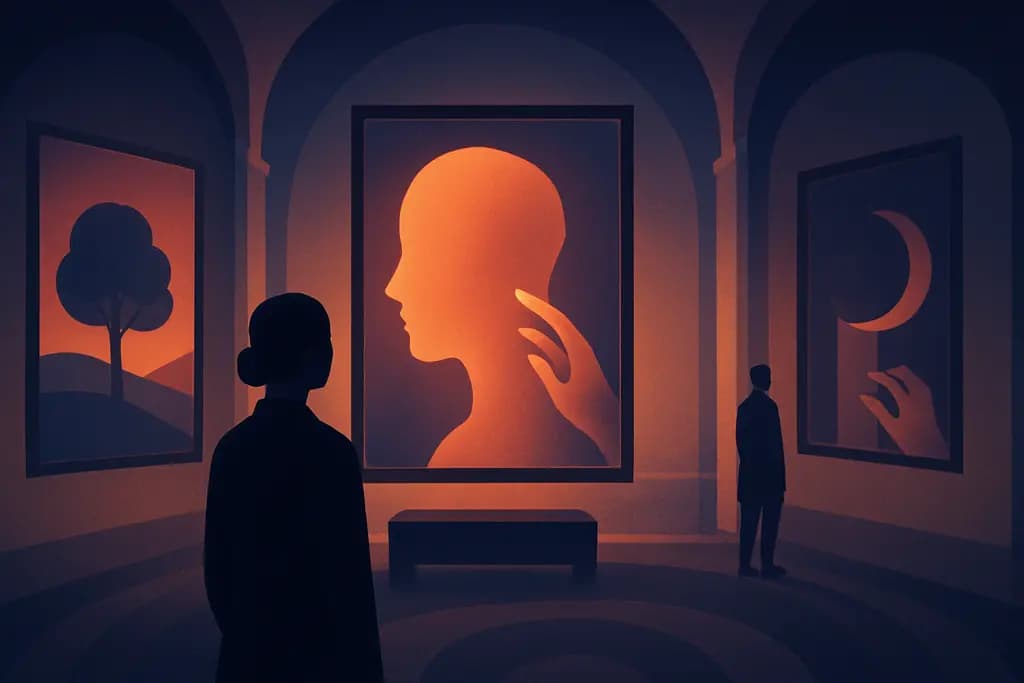
Dreaming of a museum where you can rearrange your memories often feels like standing inside your own mind, with past moments displayed like exhibits you can move, label or remove. Such dreams point to active mental work on your history — editing, reordering, or reassessing what matters. The precise meaning depends on how you felt in the dream and the surrounding context in your life.
General meaning of dreaming about A museum where you can rearrange your memories
At its core, a museum where you can rearrange your memories symbolizes conscious engagement with your past. Museums collect, preserve and interpret artifacts; a dream that lets you change the layout suggests you are re-interpreting personal experiences, choosing what to foreground or tuck away. This motif often appears when you are in a reflective phase—making sense of relationships, decisions, or identity.
Typical interpretations center on control, revision, and identity formation. The act of rearranging memories signals agency: you are not passively remembering but actively curating your inner story. Depending on other dream details, it can point to healing and growth, denial or avoidance, or a creative reframing of events.
- Revising personal narrative: choosing which memories define you.
- Emotional processing: moving painful or joyful moments to different places in your psyche.
- Identity work: reorganizing how past events support your current self-image.
- Creativity and problem-solving: experimenting with alternative interpretations of events.
Spiritual meaning of A museum where you can rearrange your memories in dreams
Spiritually, this dream can represent a soul-level reordering of lessons and attachments. Many traditions view memory as energetic material that shapes karma, patterning and habit; a museum where you can rearrange memories implies the possibility of transforming those patterns. In Jungian terms, it may reflect conscious integration of personal and collective material—bringing previously unconscious memories into a deliberate arrangement.
Practices across traditions—ritual remembrance, guided visualizations, or narrative prayer—encourage reshaping how the past influences the present. The dream may be an invitation to treat memories as malleable seeds for spiritual growth rather than fixed chains.
Psychological interpretation
Fear, stress or anxiety
When anxiety colors the dream, a rearrangeable memory museum can point to attempts to control overwhelming feelings. You may be trying to tidy up confusing or traumatic events to reduce distress. If the process in the dream feels frantic or out of control, it can indicate that stress is pushing you to overmanage emotional material rather than allowing natural processing.
Relationships and emotional bonds
In relationship terms, the museum suggests choosing which interactions shape how you see others and yourself. Rearranging a gallery of shared moments can mean re-evaluating a partnership—deciding which memories to keep as evidence of trust or to reframe in light of new information. It can also reflect a desire to protect loved ones by moving painful memories into less visible places.
Control, power or vulnerability
The ability to move memories implies power over your past, which can feel liberating or risky. On the positive side, it signals agency and boundary-setting. On the other, it may reveal a need to rewrite history to avoid vulnerability or responsibility. If the dream shows others rearranging your exhibits, it may express fears about losing control over your narrative or being misunderstood.
Positive meaning
- Healing and integration: reorganizing memories can reflect therapeutic progress and emotional integration.
- Empowerment: reclaiming authority over how your past defines you.
- Creative reframing: gaining fresh perspectives that open new possibilities.
- Closure and release: moving painful artifacts toward a less central role in your life.
- Renewed identity: deliberately choosing memories that support the person you want to become.
Negative meaning and warnings
- May suggest avoidance: wanting to hide or minimize traumatic memories instead of processing them.
- Can indicate denial: rearranging memories to protect ego at the cost of facing truth.
- May point to overcontrol: an attempt to micromanage emotions that could increase anxiety.
- Can signal manipulation: concern that you or someone else is rewriting events (in relationships or social narratives).
Common variations of dreams about A museum where you can rearrange your memories
- Walking through an exhibit of childhood memories: Often highlights unresolved issues from early life and invites gentle reflection or reunification with that younger self.
- Acting as the museum curator and labeling exhibits: Suggests you are actively naming and organizing your experiences, a sign of clarity and intentional reflection.
- Finding locked rooms or missing artifacts: May indicate suppressed memories or experiences you are not yet ready to access and integrate.
- Other people rearranging your memories: Can reflect fears about outsiders shaping your story or feeling invalidated in your recollections.
- Destroying or discarding exhibits: Might signal a desire to get rid of painful memories, which can be liberating but also risky if done impulsively.
- A museum in ruins where you can still move pieces: Points to attempts to repair or rebuild a fragmented personal history after difficult events.
- Interactive displays that change when you touch them: Reflects the fluid nature of memory—how context, mood, and present choices reshape meaning.
What to do after such a dream
- Reflect on emotions: note how you felt during and after the dream—empowered, anxious, relieved, confused—and write these impressions down.
- Journal specific exhibits: describe which memories appeared, who was present, and what you did with them; this clarifies themes to work on.
- Connect with current life: consider recent events—decisions, conversations, endings—that might have triggered this internal curation.
- Talk with a trusted person: share the dream with a friend or mentor to gain perspective and emotional support.
- Use creative practices: try guided journaling, art, or timeline exercises to safely reorder memories and test new narratives.
- Take gentle action: set small, practical steps to process difficult memories—establish boundaries, seek counseling if needed, or create rituals of closure.
These steps help transform the symbolic work in the dream into concrete, compassionate changes in waking life without rushing the process.