Dream About A courtroom scene – Meaning
Category: Events & Situations
What this dream usually means
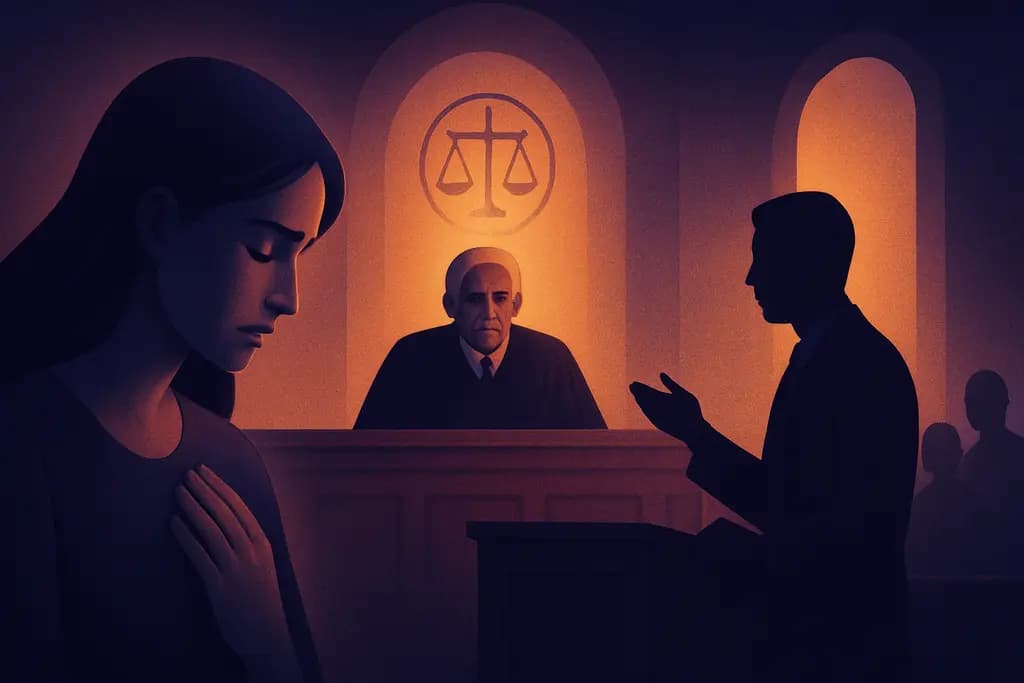
This dream usually means you are wrestling with judgment or accountability — either self-imposed or coming from others. If you were the defendant, it often points to guilt or fear of exposure; if you were the judge, it can reflect a need to make a hard decision or evaluate someone; if you were a spectator, it frequently signals anxiety about how you look in a social role. Emotions in the dream (shame, relief, anger) help specify whether the concern is about reputation, moral standards, or an imminent choice.
What your mind may be processing
From a modern psychological angle, a courtroom dream often registers perceived social threat and the cognitive process of evaluation. Interestingly, the formal rules and roles in the scene mirror how your mind sorts evidence, assigns blame, and decides on a course of action. Emotions such as shame, anger, or relief reveal whether the self-assessment is punitive or constructive. This framing is non-medical: it treats the dream as the brain’s way of rehearsing or rehearsing responses to real-life evaluative situations.
Three common meanings
Accountability and decision-making. If you were on trial or facing a judge, this often reflects a decision you must make or one you feel judged about. The dream can suggest you are weighing consequences — for example, whether to leave a job, disclose information, or accept responsibility. The tightness or relief you felt signals whether you are ready to own that choice.
Social reputation and exposure. Appearing publicly judged or watched often points to worries about reputation or social standing. Dreams where you are embarrassed under a spotlight frequently arise ahead of presentations, social evaluations, or when rumors or criticism feel imminent. The scene maps to fear of being publicly evaluated rather than an actual legal process.
Internal moral review. Playing the judge or jury can mean you are conducting an internal moral audit — assessing your behavior against your values. This interpretation appears when you’re reflecting on past actions, trying to reconcile guilt, or deciding whether to forgive yourself. A sense of heavy deliberation in the dream mirrors internal debate.
What this dream usually does not mean
This dream is rarely a literal prediction of legal trouble or public humiliation. It does not usually mean you will be tried in court tomorrow. Instead, it works as symbolic pressure: notice the emotional verdict rather than assuming a factual one. Treat it as information about how you experience scrutiny, not as an ironclad forecast.
Specific details people often mention
People often report very specific images: the smell of old wood, a clerk tapping a stack of files, sunlight slanting through high windows, a juror coughing, your shoes sticking on a polished floor, or the echo of a gavel — small sensory cues that make the scene feel urgent and real.
When to take this dream seriously
Take this dream seriously when it recurs, appears during prolonged stress, or follows a specific unresolved fear (a conflict, allegation, or pending review). Recurrence signals an unresolved decision or deep anxiety that your waking routines aren’t calming. If the dream spikes before major transitions — job changes, custody decisions, or public responsibilities — use it as a prompt to prepare, gather facts, or seek mediation rather than as proof of an outcome.
How different traditions interpret it
Meanings vary across traditions and communities. Some cultures read a courtroom dream as a clear omen about justice or karma; others see it as a sign to consult elders or legal counsel. In secular Western contexts it’s frequently framed as social anxiety or career stakes, while in spiritual traditions it can signal moral accounting. Avoid assuming one universal meaning — local beliefs, recent news about courts, or family stories about justice will shape the dream’s flavor.
Frequently asked questions
Is this about relationships?
Sometimes. If the courtroom scene centers on a partner, a breakup hearing, or public judgment about relationship choices, it often reflects relational accountability or fear of exposure within the partnership.
Is it related to stress?
Yes. This dream is commonly related to stress—especially anticipatory stress about evaluations, deadlines, or situations where you expect judgment. Strong anxiety tends to make courtroom elements more dramatic.
Is this about money?
Not usually. While financial disputes could generate a courtroom dream, most often it’s about judgment, decision-making, or reputation rather than money itself.
Related dream meanings
Dreams about a courtroom scene are often connected to Courtroom or Trial, Courtroom trial, and Funeral scene. Looking at those nearby themes can help you compare control, fear, pressure, or change across similar dream scenes. You may also want to compare it with Alien Abduction if the same mood or conflict keeps showing up.